


Is lymphocyte count high or low in AIDS?
May 26, 2025
Source: Cainiu Health

Dr. Liu Feng
Introduction
AIDS is a severe immunodeficiency disease caused by infection with the human immunodeficiency virus (HIV). HIV primarily targets CD4+ T lymphocytes in the human immune system, which are crucial cells responsible for coordinating and activating other immune cells to combat various pathogenic invasions.
In AIDS patients, lymphocyte counts are usually low, with specific analysis as follows:
AIDS is a severe immunodeficiency disease caused by infection with the human immunodeficiency virus (HIV). HIV primarily attacks CD4+ T lymphocytes in the human immune system. These cells play a crucial role in the immune system by coordinating and activating other immune cells to defend against various pathogens.
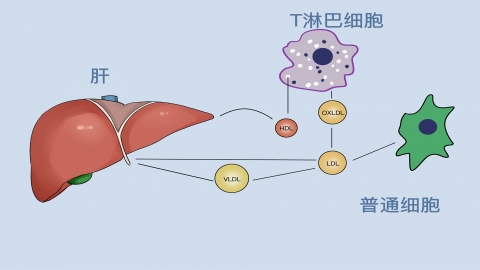
In the early stages of infection, the body's immune system responds, possibly causing a temporary increase in lymphocytes, similar to flu-like symptoms, during which the immune system is activated. As the disease progresses, HIV continuously replicates in the body and persistently damages the immune system, leading to a gradual decrease in the number of CD4+ T lymphocytes.
In addition to reduced CD4+ T lymphocyte counts, the overall lymphocyte levels in AIDS patients may also be affected. Imbalance in the immune system can impact the function and quantity of other lymphocyte subsets—for example, B lymphocytes and natural killer cells may also exhibit functional abnormalities and quantitative changes in AIDS patients.
During the course of the disease, protective measures should be taken to avoid transmitting the infection to others.





