


How to Alleviate Gastrointestinal Dysfunction in Newborns
Jun 23, 2025
Source: Cainiu Health

Dr. Shen Yonghua
Introduction
To alleviate gastrointestinal dysfunction in newborns, several measures can be taken. Scientific feeding should follow regular timing and appropriate quantity, with attention to the mother's diet and the correct formula mixing ratio. Abdominal massage should be performed gently in a clockwise direction. Appropriate probiotics can be supplemented to regulate the intestinal flora. Maintain a suitable temperature and humidity, as well as a quiet and clean environment. Engage in suitable physical activities such as passive exercises. Seek timely medical attention if symptoms are abnormal, and enhance daily observation.
Generally, neonatal gastrointestinal dysfunction can be alleviated through scientific feeding, abdominal massage, probiotic supplementation, adjustment of living environment, and appropriate exercise. Detailed explanations are as follows:
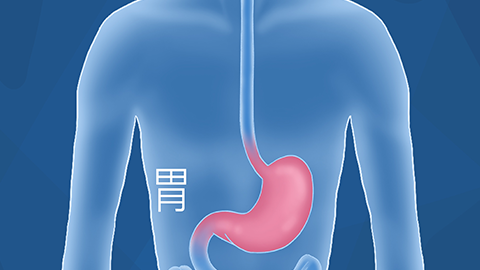
1. Scientific Feeding: Develop a reasonable feeding plan based on the newborn's age and needs, following the principle of regular and measured feeding. For breastfed newborns, mothers should maintain a balanced diet and reduce intake of spicy, greasy, and irritating foods. When formula feeding, strictly follow the recommended mixing ratio to avoid overly concentrated or diluted formula, which could burden the gastrointestinal system. Additionally, choose appropriate nipples to prevent the newborn from swallowing excessive air.
2. Abdominal Massage: Parents should wash their hands thoroughly and warm them before gently massaging the newborn's abdomen in a clockwise direction around the navel. The pressure should be moderate, with each session lasting 5–10 minutes, performed 2–3 times daily. Gentle massage can stimulate gastrointestinal motility, aid digestion, and effectively relieve discomfort such as bloating and abdominal pain caused by gastrointestinal dysfunction.
3. Probiotic Supplementation: Probiotics help regulate the balance of intestinal flora and enhance intestinal immunity. Under a doctor's guidance, select suitable probiotic preparations for the newborn. Probiotics inhibit the growth of harmful bacteria, promote the proliferation of beneficial bacteria, improve the intestinal microenvironment, and thereby alleviate gastrointestinal dysfunction.
4. Adjusting the Living Environment: Maintain a suitable temperature and humidity in the newborn's living environment to avoid gastrointestinal irritation caused by excessive cold or heat. Keep the living space quiet and clean, minimizing noise and bacterial growth. A comfortable environment helps the newborn maintain a positive mood and reduces the risk of gastrointestinal dysfunction due to external environmental stressors.
5. Appropriate Exercise: When the newborn is awake, perform appropriate passive exercises, such as gently flexing and extending the limbs and moving the joints. Each session should last 10–15 minutes and be conducted 2–3 times daily. Exercise promotes blood circulation and enhances gastrointestinal digestion, improving gastrointestinal function.
If symptoms of gastrointestinal dysfunction persist or worsen, timely medical evaluation is necessary. It is important to closely monitor the newborn's mental status, appetite, and bowel movements in daily care to promptly identify and address issues, safeguarding the newborn's gastrointestinal health.






