


What is polycystic kidney disease?
Jul 07, 2025
Source: Cainiu Health

Dr. Yang Guang
Introduction
Polycystic kidney disease is a hereditary kidney disorder that is classified into two types: autosomal dominant and autosomal recessive. The common adult form of polycystic kidney disease is usually inherited in an autosomal dominant manner. In the early stages, when the cysts are small and few in number, patients often experience no obvious symptoms and kidney function remains unaffected. It is typically discovered incidentally during a physical examination involving ultrasound imaging.
Polycystic kidney disease is a hereditary kidney disorder characterized by the development of multiple cysts of varying sizes in the kidneys due to genetic abnormalities. These cysts gradually enlarge and damage the kidney's structure and function. If any abnormalities are detected, timely medical consultation is recommended. Detailed analysis is as follows:
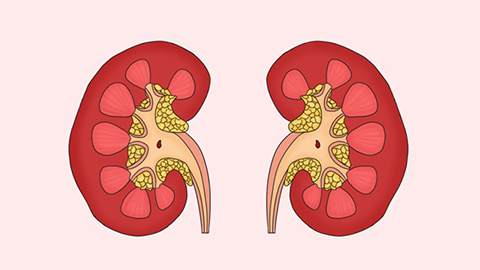
Polycystic kidney disease is divided into two types: autosomal dominant and autosomal recessive inheritance. The adult-onset type is most commonly inherited as an autosomal dominant trait. In the early stages, when the cysts are small and few in number, patients often experience no obvious symptoms and their kidney function remains unaffected. The condition is usually discovered incidentally during routine physical examinations involving ultrasound imaging.
As the disease progresses, the cysts within the kidneys continue to enlarge and multiply, compressing normal kidney tissue and causing the kidneys to increase in size. Patients may then experience symptoms such as back pain, hematuria (blood in the urine), and hypertension. When the cysts severely damage the kidney units, kidney function gradually deteriorates, potentially leading to uremia. At this stage, life must be sustained through dialysis or kidney transplantation.
After a confirmed diagnosis of polycystic kidney disease, it is important to maintain a low-salt diet, avoid nephrotoxic medications, and regularly monitor kidney function and perform kidney ultrasounds during follow-up visits.


