


What should I do if bitten by an unknown insect and experiencing redness, swelling, and pain?
Jul 31, 2025
Source: Cainiu Health

Dr. Liu Wenmin
Introduction
In general, symptoms such as redness, swelling, and pain caused by an insect bite can be relieved by washing the wound, applying ice to reduce swelling, applying medication, avoiding scratching, and seeking medical attention promptly. In daily life, it is important to keep the skin around the wound clean, avoid getting the wound wet, and wear loose, breathable clothing to minimize irritation. Additionally, avoid consuming spicy or irritating foods.
Generally, redness, swelling, and pain caused by a bite from an unknown insect can be alleviated by washing the wound, applying cold compresses to reduce swelling, applying medications, avoiding scratching, seeking medical attention promptly, and other such methods. If discomfort occurs, prompt medical attention is recommended. Detailed explanations are as follows:
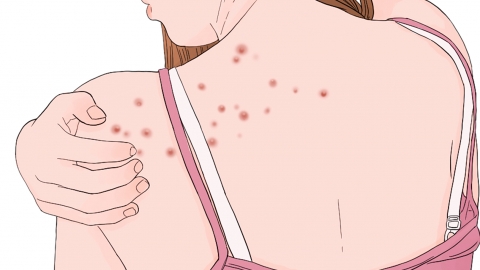
1. Wash the wound
Rinse the affected area thoroughly with running water for 5-10 minutes immediately after the bite to remove residual venom, saliva, or other secretions from the insect, thereby reducing the risk of allergy or infection. Gently pat the area dry afterward with a clean towel.
2. Apply cold compresses
Apply a cold compress or cold towel to the swollen and painful area for 15-20 minutes at a time, once every 1-2 hours. The low temperature helps constrict local blood vessels, reducing inflammation and relieving swelling and pain.
3. Apply medication
If symptoms are severe, such as significant redness, swelling, or blistering, topical medications such as desonide cream, mometasone furoate cream, or calamine lotion may be applied under a doctor's guidance. These medications have a soothing and anti-itch effect, which can help reduce inflammation and allergic reactions.
4. Avoid scratching
Try to resist the urge to scratch to prevent skin damage and secondary infection. Wearing gloves or engaging in other activities to distract yourself may help. If the itching is unbearable, gently tapping the surrounding skin may provide relief.
5. Seek medical attention promptly
If the area of swelling continues to expand, pain intensifies, or systemic symptoms such as fever, dizziness, or difficulty breathing occur, seek immediate medical attention. A doctor will provide professional treatment based on the specific situation, which may include antiallergic or antiviral medications such as loratadine tablets, amoxicillin capsules, or aspirin capsules.
In daily life, keep the skin around the wound clean and avoid contact with water. Wear loose, breathable clothing as much as possible to minimize friction on the wound. In terms of diet, avoid consuming spicy, irritating foods and seafood, which may trigger allergic reactions and worsen inflammation.








