


What causes endometrial shedding?
Aug 20, 2025
Source: Cainiu Health

Dr. Zhang Lu
Introduction
In general, endometrial shedding may be caused by a normal menstrual cycle, hormonal fluctuations during ovulation, endometritis, endometrial polyps rupture, or other factors. It is recommended to seek timely medical attention, identify the underlying cause, and then improve the condition under a doctor's guidance through general treatment, medication, or other approaches. In daily life, one should maintain a light diet and reduce the intake of spicy or irritating foods.
Generally, endometrial shedding may be caused by normal menstrual cycle, hormonal fluctuations during ovulation, endocrine disorders, endometritis, ruptured endometrial polyps, and other factors. It is recommended to seek timely medical consultation to identify the underlying cause and improve the condition under a doctor's guidance through general treatment or medication. Detailed explanations are as follows:
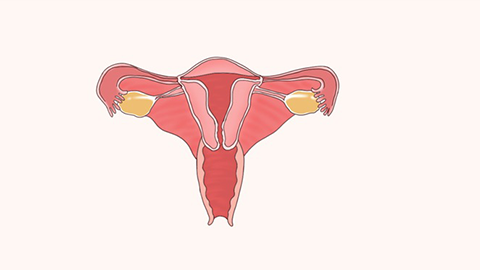
1. Normal menstrual cycle: The ovaries periodically secrete estrogen and progesterone, which stimulate the endometrium to proliferate and thicken. When hormone levels drop, the endometrium loses hormonal support and sheds, forming menstrual flow. This is a normal physiological phenomenon that does not require special treatment. During menstruation, it is important to keep warm, avoid strenuous exercise, maintain external genital hygiene, and change sanitary pads frequently.
2. Hormonal fluctuations during ovulation: During ovulation, estrogen briefly decreases, causing a small portion of the endometrium to lose hormonal support and shed, manifesting as light vaginal bleeding. Usually no treatment is required. It is important to rest adequately, avoid excessive fatigue, maintain emotional stability, and monitor changes in bleeding volume, as the bleeding generally stops spontaneously within 1–3 days.
3. Endocrine disorders: Long-term sleep deprivation and high stress can lead to hormonal imbalances, disrupting estrogen and progesterone levels and causing abnormal endometrial shedding, often accompanied by irregular menstruation and abnormal menstrual flow. Patients should maintain a regular sleep schedule, avoid staying up late, relieve stress through exercise or meditation, and follow medical advice to use hormonal medications such as drospirenone ethinylestradiol tablets, desogestrel ethinylestradiol tablets, or ethinylestradiol cyproterone tablets to regulate hormone levels and stabilize the endometrium.
4. Endometritis: Infections caused by bacteria, chlamydia, and other pathogens can lead to inflammation of the endometrium. Inflammatory stimulation makes the endometrial tissue fragile and prone to shedding, often accompanied by lower abdominal pain and increased vaginal discharge. Patients should follow medical advice to use antibiotics such as cefixime dispersible tablets, metronidazole tablets, or doxycycline hydrochloride tablets for anti-infective treatment.
5. Ruptured endometrial polyps: Hormonal changes or external forces can cause endometrial polyps to rupture, leading to endometrial shedding from the polyp surface and resulting in abnormal bleeding. Patients should follow medical advice to use endometrial-regulating medications such as dydrogesterone tablets, progesterone capsules, or medroxyprogesterone acetate tablets.
In daily life, maintain a light diet and reduce intake of spicy and irritating foods. Regular gynecological examinations are important to monitor endometrial health and maintain reproductive system wellness through comprehensive care.




