


What happens if neurasthenia becomes severe?
Nov 17, 2025
Source: Cainiu Health

Dr. Zhang Baohua
Introduction
If neurasthenia continues to worsen without improvement, it may lead to serious consequences such as exacerbated sleep disorders, cognitive decline, worsening emotional problems, frequent physical discomfort, and impaired social functioning. It is important to adjust one's lifestyle in a timely manner. Maintaining regular作息 (daily routines), engaging in moderate exercise, learning to relieve stress, and combining these with gentle psychological regulation can effectively alleviate symptoms and help restore a healthy, well-ordered life.
If neurasthenia continues to worsen without improvement, it can lead to serious consequences such as exacerbated sleep disorders, cognitive decline, worsening emotional problems, frequent physical discomfort, and impaired social functioning. A detailed analysis is as follows:
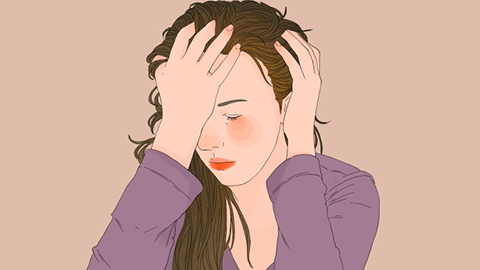
1. Exacerbated Sleep Disorders: Initial difficulties falling asleep may progress to complete insomnia, and even brief periods of sleep are easily disrupted by minor noises. Dreams become chaotic and often include nightmares. Long-term lack of quality sleep keeps the body and mind in a constant state of fatigue, leading to drowsiness during the day and difficulty carrying out daily activities.
2. Cognitive Decline: Difficulty concentrating becomes increasingly pronounced, causing distraction during work, study, or conversations. Memory deteriorates significantly, with frequent forgetfulness of important matters or recently spoken words. Mental reactions slow down, thinking efficiency drops sharply, and complex tasks become difficult to complete.
3. Worsening Emotional Problems: Mood swings become abnormally severe—minor issues may trigger irritability and anger, quickly followed by deep anxiety or depression. Interest in life diminishes, and individuals tend to adopt a negative outlook on things. In severe cases, emotional breakdowns may occur, even leading to extreme thoughts, undermining psychological stability.
4. Frequent Physical Discomfort: Persistent throbbing or stabbing headaches may develop, along with stiff and painful muscles in the neck and back. Additional symptoms may include palpitations, chest tightness, dizziness, and nausea. Some individuals may experience extreme appetite changes, such as loss of appetite or binge eating. These physical symptoms recur frequently and disrupt normal life.
5. Impaired Social Functioning: Inability to focus at work leads to reduced efficiency and frequent errors, potentially resulting in job-related crises. During social interactions, emotional instability and slowed responses cause communication difficulties, gradually driving a wedge between the individual and family or friends. Social circles shrink over time, and in severe cases, normal participation in social activities may become impossible.
It is crucial to adjust one's lifestyle promptly. Maintaining regular作息 (daily routines), engaging in moderate exercise, learning stress management techniques, and combining these with gentle psychological regulation can effectively alleviate symptoms and help restore a healthy, well-ordered life.


