


What are the symptoms of neurasthenia?
Nov 17, 2025
Source: Cainiu Health

Dr. Zhang Baohua
Introduction
Symptoms of neurasthenia include mental excitability, easy mental fatigue, sleep disturbances, emotional fluctuations, and physical discomfort. These symptoms often persist and affect daily functioning, requiring comprehensive clinical evaluation for diagnosis. If symptoms last longer than 3 months and significantly interfere with daily life, timely medical consultation is recommended. Individuals may become easily agitated or irritable when encountering stressful situations.
Neurasthenia is characterized by symptoms such as mental excitability, easy mental fatigue, sleep disturbances, emotional fluctuations, and physical discomfort. These symptoms often persist and impair daily functioning, requiring comprehensive clinical evaluation. If symptoms last longer than three months and significantly interfere with daily life, timely medical consultation is recommended.
1. Mental excitability: Individuals become easily agitated or irritable when faced with events, show heightened sensitivity to external stimuli such as noise and light, experience overactive thinking that makes it difficult to relax, and may have intense emotional reactions to minor issues, followed by feelings of guilt or exhaustion.
2. Easy mental fatigue: Rapid onset of fatigue occurs after mental effort, such as reading or thinking, accompanied by difficulty concentrating, memory decline, slowed reaction time, and a need for excessive effort even to complete simple tasks, leading to markedly reduced efficiency.
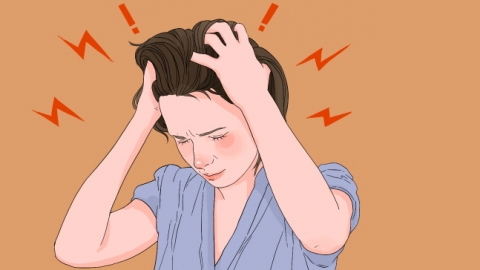
3. Sleep disturbances: Manifested as difficulty falling asleep, light sleep, frequent awakenings, or early morning awakening with inability to fall back asleep. Nighttime dreams are common and often involve nightmares. During the day, individuals may feel excessively sleepy, yet sleep does not effectively relieve fatigue, creating a cycle of disrupted sleep.
4. Emotional fluctuations: Common negative emotions include anxiety, depression, and tension. Emotional instability is prominent, with individuals prone to low mood following minor setbacks or experiencing unexplained panic due to excessive worry, which can affect interpersonal relationships and psychological well-being.
5. Physical discomfort: A variety of somatic symptoms may occur, including headache, dizziness, tinnitus, palpitations, chest tightness, bloating, indigestion, and muscle tension or soreness. These symptoms are often related to emotional state and no clear organic disease is found upon medical examination.
Maintain regular作息 (daily routines), avoid staying up late, balance mental and physical activities appropriately, and prevent overexertion. Eat a light and balanced diet, reducing intake of spicy or stimulating foods. Cultivate gentle hobbies to divert attention, maintain emotional stability, and support symptom relief.


