


What is neurasthenia?
Nov 17, 2025
Source: Cainiu Health

Dr. Zhang Baohua
Introduction
Neurasthenia is a neurotic disorder characterized by long-term weakness in brain and bodily functions, triggered by mental stress, accumulated pressure, and other factors. It manifests as easy fatigability, difficulty concentrating, emotional instability, and significantly affects daily life. If symptoms persist for more than one month and self-regulation proves ineffective, timely medical consultation is recommended.
Neurasthenia is a neurotic disorder characterized by long-term weakness of brain and bodily functions, triggered by mental stress, accumulated pressure, and other factors. It manifests as easy fatigue, difficulty concentrating, emotional instability, and significantly affects daily life. If symptoms persist for more than one month and self-regulation proves ineffective, timely medical consultation is recommended.
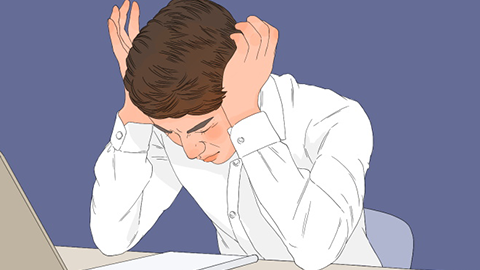
The condition is primarily associated with prolonged psychological stress, such as excessive work or study, overthinking, combined with personality traits like sensitivity, introversion, and perfectionism. Contributing lifestyle factors—including irregular sleep patterns, lack of physical activity, and nutritional imbalances—can collectively lead to dysfunction in the brain's neurological regulatory mechanisms.
Symptoms center on cerebral functional weakness: mental hyperexcitability followed quickly by fatigue, poor concentration, memory decline, irritability, anxiety, insomnia, and vivid dreams. Physical symptoms such as headaches, tinnitus, palpitations, and gastrointestinal discomfort may also occur, with symptom severity fluctuating according to psychological state. Treatment focuses on comprehensive management, including psychological counseling to relieve stress, use of anti-anxiety or antidepressant medications as prescribed, cognitive-behavioral therapy to improve thought patterns, and lifestyle modifications to consolidate therapeutic effects.
Maintain regular sleep habits and avoid staying up late or overexertion. Engage in moderate aerobic exercise daily, eat a light diet rich in vitamins and protein, communicate regularly with others to express feelings, and cultivate hobbies and interests to redirect attention and regulate emotions.


