


What are the symptoms of neurasthenia?
Nov 17, 2025
Source: Cainiu Health

Dr. Zhang Baohua
Introduction
Symptoms of neurasthenia include mental excitability, easy mental fatigue, marked mood swings, sleep disturbances, and physical discomfort. These symptoms often persist and affect daily life. If such symptoms occur and last for more than one month, timely medical evaluation is recommended for accurate diagnosis. Individuals may become easily agitated or irritable when facing stressful situations and show significantly increased sensitivity to external stimuli such as sound and light.
Neurosis is characterized by symptoms such as mental excitability, easy mental fatigue, significant mood swings, sleep disturbances, and physical discomfort. These symptoms often persist and can significantly affect daily life. If related symptoms last for more than one month, it is recommended to seek medical evaluation for a clear diagnosis.
1. Mental excitability: Individuals may become easily agitated or irritable, showing increased sensitivity to external stimuli such as noise and light. They may experience chaotic thoughts and difficulty calming the mind, with even minor stimuli triggering intense emotional reactions.
2. Easy mental fatigue: Rapid onset of fatigue after mental activity, manifested as decreased memory, poor concentration, slowed thinking, and difficulty completing work or study tasks continuously. This leads to a noticeable decline in efficiency.
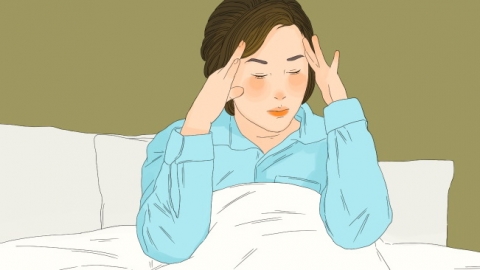
3. Significant mood swings: Patients may frequently experience negative emotions such as anxiety, depression, and tension. They might excessively worry over trivial matters or suddenly feel emotionally down. Some individuals may also have feelings of self-blame or low self-esteem.
4. Sleep disturbances: Common issues include difficulty falling asleep, light sleep, frequent awakenings during the night, or early morning awakening with inability to fall back asleep. Poor sleep quality leads to daytime drowsiness and fatigue, creating a vicious cycle between sleep problems and tiredness.
5. Physical discomfort: A variety of somatic symptoms may occur, including headache, dizziness, tinnitus, palpitations, chest tightness, bloating, indigestion, and muscle tension or soreness. These symptoms are often related to emotional state and no organic diseases are typically found upon medical examination.
In daily life, it's important to maintain a regular schedule, avoid chronic sleep deprivation and excessive mental strain, and engage in mild exercises such as walking or yoga. Learning to regulate emotions through talking, meditation, or other stress-relief methods is beneficial. A balanced, nutritious diet with reduced intake of spicy or stimulating foods is also recommended.


