


Can psychiatric patients drink tea?
Nov 17, 2025
Source: Cainiu Health

Dr. Zhang Baohua
Introduction
In general, patients with mental illness can drink tea, but excessive consumption is not recommended. It is important to maintain a regular daily routine, with consistent sleep and wake times, and to provide the patient with a quiet and comfortable resting environment. A balanced diet rich in fresh fruits and high-quality protein is recommended, while spicy and stimulating foods should be reduced. Family members should offer companionship and patience, encouraging the patient to express their inner feelings.
Generally, patients with mental illness can drink tea, but excessive consumption is not recommended. The specific analysis is as follows:
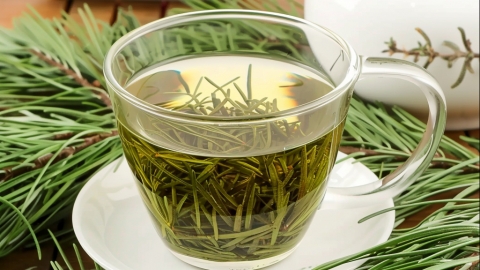
For patients whose condition is stable and who are not taking medications that may interact with caffeine, moderate consumption of mild tea usually does not cause adverse effects. However, those experiencing an acute episode, taking medications affected by caffeine, or suffering from symptoms such as insomnia or anxiety should reduce their tea intake or avoid strong tea to prevent worsening of symptoms.
Choose mild types of tea, avoid overly strong or hot tea, control the frequency and amount consumed daily, and refrain from drinking tea within three hours before bedtime. Closely monitor emotional state, sleep quality, and physical reactions after drinking tea; if symptoms such as irritability or worsened insomnia occur, adjust tea consumption accordingly.
Maintain a regular daily routine, keep consistent sleep and wake times, and provide the patient with a quiet and comfortable resting environment. Maintain a balanced diet rich in fresh fruits and high-quality protein, while minimizing spicy and stimulating foods. Family members should offer companionship and patience, encourage the patient to express their feelings, assist with timely and proper medication adherence, and accompany them to regular follow-up appointments to support long-term stability of their condition.





