


What does sleep disorder mean?
Nov 17, 2025
Source: Cainiu Health

Dr. Zhang Baohua
Introduction
In general, sleep disorders refer to abnormal sleep quantity or unusual behaviors during sleep, and can also be understood as various functional disturbances occurring during the sleep-wake cycle. Avoid electronic screens one hour before bedtime to prevent blue light from stimulating the nervous system. Keep the bedroom quiet and dark, and use soft lighting to aid sleep. Maintain a consistent daily bedtime and wake-up time to establish a regular biological clock.
Sleep disorders generally refer to abnormalities in the amount of sleep or unusual behaviors during sleep, and can also be understood as various functional disturbances occurring during the sleep-wake cycle. Details are as follows:
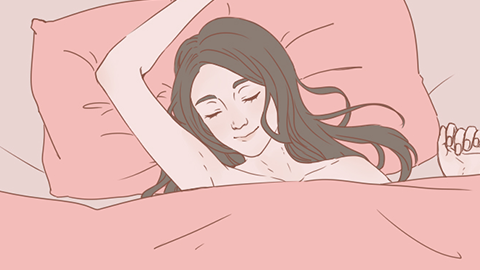
Sleep disorders are a general term for abnormalities in sleep quality, quantity, or rhythm, manifesting as difficulty falling asleep, frequent awakening at night, early morning awakening with inability to fall back asleep, light sleep, excessive daytime sleepiness, fatigue, and other symptoms. Causes are diverse and may include anxiety, excessive stress, noisy environments, poor sleep habits, physical illnesses, or medication effects. Long-term presence can negatively impact mental health and physical function.
Avoid electronic screens one hour before bedtime to prevent blue light from stimulating the nervous system. Keep the bedroom quiet and dark, using soft lighting to aid sleep. Maintain consistent daily bedtimes and wake-up times to establish a regular biological clock. Avoid overeating or consuming spicy, greasy foods at dinner; drink a small cup of warm milk or perform simple stretching exercises before bed. Engage appropriately in outdoor activities during the day to receive natural light exposure, but avoid vigorous exercise before bedtime, allowing both mind and body to gradually relax.




