


Is naphazoline, methapyrilene and vitamin B12 eye drops effective for treating hordeolum?
Nov 18, 2025
Source: Cainiu Health

Dr. Liu Wenmin
Introduction
The effectiveness of naphazoline-pheniramine-methazolamide eye drops in treating hordeolum is limited. This medication is primarily used to relieve symptoms such as eye fatigue and conjunctival congestion, and cannot address the underlying infectious cause of hordeolum. It may only temporarily alleviate some redness and discomfort. If the hordeolum worsens, a pus point develops, or is accompanied by fever, prompt medical attention is recommended. The main ingredients of naphazoline-pheniramine-methazolamide eye drops include naphazoline.
Naphazoline-pheniramine eye drops have limited effectiveness in treating styes. They are primarily used to relieve eye fatigue and conjunctival congestion, and cannot address the underlying infectious cause of styes. At best, they may temporarily reduce mild redness and discomfort. If the stye worsens, develops an abscess, or is accompanied by fever, prompt medical attention is recommended.
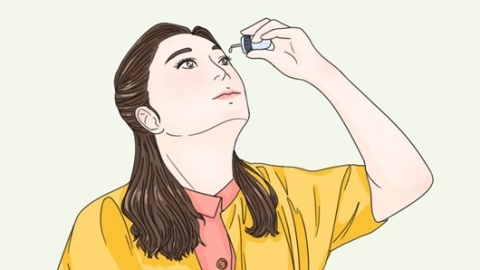
The main ingredients of naphazoline-pheniramine eye drops—naphazoline, chlorpheniramine maleate, and vitamin B12—serve to constrict blood vessels, counteract allergic reactions, and nourish nerves, respectively. However, they do not possess antibacterial or anti-inflammatory properties. A stye is a purulent inflammation caused by bacterial infection, which requires antimicrobial agents to effectively suppress the pathogen.
These eye drops can only temporarily constrict ocular blood vessels and alleviate mild swelling associated with styes; they do not eliminate the root infection or halt the progression of inflammation. Relying on them blindly may delay proper treatment, leading to spread of infection, worsening symptoms, and potentially serious complications such as eyelid cellulitis.
Maintain cleanliness and dryness of the eyes, avoid squeezing the affected area, and minimize eye irritation. Apply warm compresses three times daily for 10 minutes each to promote resolution of inflammation. Discontinue use of eye cosmetics and ensure adequate sleep to support eye recovery.



