


What causes red eyes due to "shang huo" (excess internal heat), and how should it be managed?
Nov 19, 2025
Source: Cainiu Health

Dr. Sun Lianqing
Introduction
Red eyes due to "heatiness" (a traditional concept referring to internal heat) may be caused by factors such as consuming spicy and irritating foods, staying up late with irregular sleep patterns, bacterial conjunctivitis, viral keratitis, or uveitis. It is recommended to seek medical attention promptly, identify the underlying cause, and then improve the condition under a doctor's guidance through daily care and medication. In daily life, maintain good eye hygiene, avoid prolonged continuous eye use, and take a 5-minute break after every 40 minutes of eye activity.
In general, red eyes caused by "internal heat" (a traditional Chinese medicine concept often referred to as "shang huo") may result from consuming spicy and stimulating foods, staying up late with irregular sleep patterns, bacterial conjunctivitis, viral keratitis, or uveitis. It is recommended to seek medical attention promptly to determine the exact cause and, under a doctor's guidance, improve symptoms through daily care, medication, and other methods. Specific analyses are as follows:
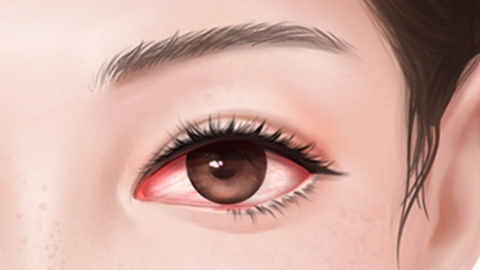
1. Spicy and irritating diet: Excessive consumption of spicy foods such as chili peppers and Sichuan peppercorns can cause internal heat to rise and irritate the blood vessels on the eye surface, leading to redness. Immediately switch to a bland diet, eat more hydrating fruits like pears and watermelon, and drink 1,500 mL of warm water daily to accelerate the metabolism and elimination of excess internal heat.
2. Staying up late and irregular作息: Long-term sleep deprivation keeps the eyes in a constant state of fatigue, impairing circulation around the eyes and causing blood vessel dilation. Ensure 7–8 hours of sleep each night, avoid electronic screens before bedtime, and apply a warm towel at 40°C to the eyes for 5 minutes upon waking to promote ocular blood flow.
3. Bacterial conjunctivitis: Bacterial infection of the conjunctiva triggers inflammation, resulting in red, bloodshot eyes accompanied by purulent discharge. Follow medical advice to use medications such as tobramycin eye drops, levofloxacin eye drops, or erythromycin eye ointment. Use sterile cotton swabs dipped in normal saline to gently clean eye secretions.
4. Viral keratitis: Viral invasion of the cornea causes inflammation, leading to congestion of the cornea and surrounding blood vessels, along with photophobia and tearing. Medications such as acyclovir eye drops, ganciclovir ophthalmic gel, or recombinant human interferon α2b eye drops should be used as prescribed. Avoid rubbing the eyes to prevent spreading the infection.
5. Uveitis: Inflammation of the uvea caused by immune dysfunction or infection leads to obvious eye redness, pain, and vision impairment. Use medications such as prednisolone eye drops, tobramycin-dexamethasone eye drops, or cyclosporine eye drops as directed by a physician. Pupil-dilating agents may be needed when necessary to relieve discomfort.
Maintain good eye hygiene in daily life, avoid prolonged continuous eye use, and take a 5-minute break every 40 minutes. Wear sunglasses outdoors to reduce exposure to bright light, and maintain eye health through regular sleep patterns and a balanced diet.



