


What are the symptoms of amebic keratitis?
Nov 19, 2025
Source: Cainiu Health

Dr. Wang Lei
Introduction
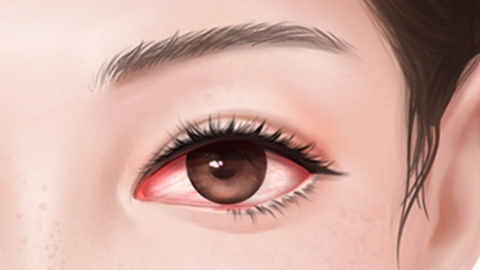
In general, common symptoms of Acanthamoeba keratitis include severe eye pain, decreased vision, photophobia with tearing, corneal opacity, and a foreign body sensation in the eye. If any discomfort occurs, it is recommended to seek timely medical evaluation and treatment at a正规 hospital. Additionally, Acanthamoeba keratitis may also present with eyelid spasms and increased eye secretions. In daily life, proper eye protection should be observed, and contact with contaminated water sources should be avoided.
Generally, common symptoms of Acanthamoeba keratitis include severe eye pain, vision loss, photophobia with tearing, corneal opacity, and a foreign body sensation in the eye. If any discomfort occurs, it is recommended to seek timely medical evaluation and treatment at a reputable hospital. Specific analysis is as follows:
1. Severe Eye Pain
Severe eye pain manifests as persistent stabbing or pressure-like pain, which is intense and difficult to relieve. After Acanthamoeba invades the corneal tissue, it multiplies rapidly and releases toxins that damage corneal nerves. This also triggers a strong inflammatory response, stimulating nerve endings and resulting in intense pain that significantly affects sleep and daily activities.
2. Vision Loss
Vision loss presents as blurred or distorted vision and progressively worsens as the disease advances. The parasite damages the transparent corneal tissue, causing abnormalities in the cornea's refractive function. Additionally, inflammation-induced corneal edema and opacity further obstruct light transmission, preventing visual signals from being properly transmitted to the optic nerve, thereby reducing visual clarity.
3. Photophobia and Tearing
Photophobia and tearing are characterized by extreme sensitivity to light, causing squinting when exposed to light and accompanied by involuntary tearing. When inflamed, the corneal sensory nerve endings become hyper-sensitive. Light exposure causes ocular discomfort, while the lacrimal gland is stimulated to produce excessive tears in an attempt to alleviate irritation, often leading to wet eyelids and disrupted vision.
4. Corneal Opacity
Corneal opacity appears as a loss of transparency on the corneal surface, presenting as grayish-white or milky cloudiness. The amoeba erodes the corneal stroma, triggering infiltration of inflammatory cells, leading to degeneration and necrosis of corneal tissue. This disrupts the normal corneal structure, reduces transparency, and results in visibly apparent eye abnormalities.
5. Foreign Body Sensation
A foreign body sensation refers to a persistent feeling of something rubbing inside the eye, which cannot be relieved by frequent blinking or rubbing. Acanthamoeba moves and reproduces on the corneal surface and within the epithelial layer, disrupting the integrity of the corneal epithelium and making the surface uneven. Inflammatory stimulation of corneal surface nerves also produces an abnormal sensation of foreign object invasion.
In addition, Acanthamoeba keratitis may also present with eyelid spasms and increased eye discharge. In daily life, proper eye protection should be observed—avoid contact with contaminated water sources, strictly follow hygiene guidelines when wearing contact lenses, and seek immediate medical attention if symptoms occur.




