


Does glaucoma cause constant pain?
Nov 19, 2025
Source: Cainiu Health

Dr. Wang Lei
Introduction
In general, whether glaucoma causes persistent pain depends on the type. Acute angle-closure glaucoma can cause significant and continuous pain during an attack, whereas chronic open-angle glaucoma typically does not produce obvious pain symptoms. Patients with glaucoma should develop the habit of regular intraocular pressure check-ups, avoid prolonged near-work, and ensure adequate rest when reading or using electronic devices.
Generally, whether glaucoma causes persistent pain depends on its type. Acute angle-closure glaucoma causes significant and continuous pain during an attack, while chronic open-angle glaucoma typically does not produce obvious pain symptoms.
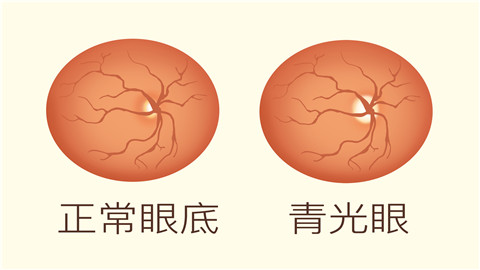
During an acute angle-closure glaucoma attack, intraocular pressure rises sharply, causing severe swelling and pain around the eye. This may be accompanied by headache, sudden vision loss, nausea, and other symptoms. The pain persists and worsens as intraocular pressure increases, requiring immediate medical attention to reduce eye pressure and prevent rapid optic nerve damage.
Chronic open-angle glaucoma develops insidiously, with a gradual increase in intraocular pressure. Most patients do not experience pain in the early or even middle stages of the disease. They may only occasionally feel mild discomfort such as eye heaviness or blurred vision, which is easily overlooked. By the time it is detected, irreversible optic nerve damage has often already occurred.
Patients with glaucoma should develop the habit of regular eye pressure check-ups, avoid prolonged close-up visual tasks, and ensure adequate rest when reading or using electronic devices. Maintaining emotional stability and avoiding intense mood swings that could elevate intraocular pressure can help slow disease progression.


