


Why does depression always cause coughing?
Nov 21, 2025
Source: Cainiu Health

Dr. Zhang Baohua
Introduction
Frequent coughing in patients with depression may be caused by factors such as psychological stress, autonomic nervous dysfunction, chronic pharyngitis, gastroesophageal reflux disease (GERD), or bronchitis. It is recommended to seek timely medical evaluation to identify the underlying cause and receive appropriate treatment under a doctor's guidance. In daily life, maintain adequate indoor humidity, avoid exposure to irritants such as dust and smoke, and actively adhere to standardized treatment for depression.
Frequent coughing in patients with depression may be caused by psychological stress, autonomic nervous dysfunction, chronic pharyngitis, gastroesophageal reflux disease (GERD), or bronchitis. It is recommended to seek medical attention promptly, identify the underlying cause, and receive symptomatic treatment under a doctor's guidance. Specific analyses are as follows:
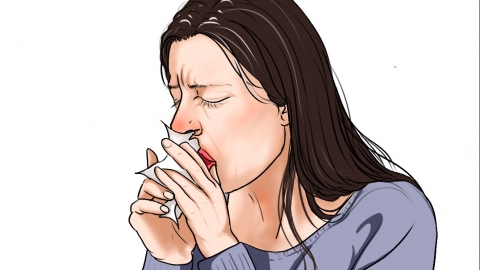
1. Psychological Stress: Patients with depression often remain in states of anxiety and tension, which can lead to muscle tightness in the throat, causing a sensation of a foreign body and subsequently triggering coughing. Emotional relief can be achieved through deep breathing, meditation, and avoiding spicy or irritating foods to reduce throat irritation.
2. Autonomic Nervous Dysfunction: Depression can affect autonomic nervous system function, leading to abnormal secretion of respiratory mucosa and resulting in irritative coughing. Maintaining regular sleep patterns, avoiding late nights, and engaging in mild physical activities such as walking can help regulate nerve function. Medications such as vitamin B1 tablets, oryzanol tablets, or methylcobalamin tablets may also be used as directed by a physician.
3. Chronic Pharyngitis: Prolonged emotional suppression may reduce immunity and trigger chronic inflammation of the pharyngeal mucosa, manifesting as dry cough and throat dryness or itching. Maintaining good oral hygiene and drinking plenty of warm water are recommended. Medications such as watermelon frost lozenges, pharyngitis tablets, or Qinghou Lixi granules may be used as prescribed.
4. Gastroesophageal Reflux Disease (GERD): Depression may impair gastrointestinal motility, causing stomach acid to reflux and irritate the throat, leading to coughing, often accompanied by acid regurgitation and heartburn. Avoid overeating, refrain from eating within two hours before bedtime, and follow medical advice to use medications such as omeprazole enteric-coated capsules, domperidone tablets, or aluminum magnesium carbonate chewable tablets.
5. Bronchitis: Low mood and reduced immunity increase susceptibility to pathogen infections, potentially leading to bronchial inflammation with symptoms like cough and sputum production. Stay warm to avoid cold exposure, increase protein intake to boost immunity, and use medications such as amoxicillin capsules, ambroxol hydrochloride oral solution, or salbutamol aerosol as directed by a healthcare provider.
In daily life, maintain indoor air humidity, avoid exposure to dust, smoke, and other irritants, and actively adhere to standardized treatment for depression. A comprehensive approach addressing both physical and mental health is essential for symptom improvement.




