


What are some effective tips for preventing heatstroke?
Nov 24, 2025
Source: Cainiu Health

Dr. Wang Lei
Introduction
Heatstroke is an illness caused by the body's regulatory dysfunction in high-temperature environments. Preventive measures include avoiding peak heat hours, scientifically replenishing fluids, wearing appropriate clothing, ensuring effective environmental cooling, and preparing emergency supplies. In daily life, it is also important to ensure adequate sleep and avoid staying up late, which can reduce the body's resistance. In terms of diet, increase intake of water-rich fruits and vegetables such as watermelon and cucumber.
Heatstroke is an illness caused by the body's disrupted regulatory functions in high-temperature environments. Preventive measures include avoiding peak heat hours, scientifically replenishing fluids, wearing appropriate clothing, implementing environmental cooling, and preparing emergency supplies. Detailed analysis is as follows:
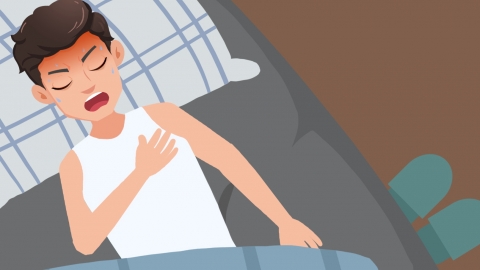
1. Avoid peak heat hours: Try to avoid going outdoors between 10 a.m. and 4 p.m., when sunlight is strongest and temperatures reach their peak, increasing the risk of the body generating more heat than it can dissipate. If outdoor activities are necessary, choose shaded routes, minimize time spent in open areas, and avoid prolonged exposure at uncovered locations such as construction sites or playgrounds.
2. Scientifically replenish fluids: In high temperatures, the body loses water rapidly. It is important to drink water proactively rather than waiting until feeling thirsty. Daily fluid intake should be maintained at 1.5 to 2 liters. Optimal choices include light salt water, cooled boiled water, or electrolyte-containing sports drinks. Avoid consuming large amounts of sugary beverages, which may increase physiological strain.
3. Wear suitable clothing: Choose loose, breathable, light-colored garments, which absorb less solar radiation and facilitate skin cooling. Avoid tight, heavy, dark-colored clothing. Wearing wide-brimmed hats and sunglasses can reduce direct sun exposure to the head and face, helping lower surface body temperature.
4. Implement environmental cooling: Maintain indoor ventilation and use fans or air conditioning to cool indoor spaces. The recommended air conditioning temperature is around 26°C. When working or engaging in activities outdoors, carry a damp towel and periodically wipe areas rich in blood vessels—such as the forehead and neck—to enhance heat dissipation through evaporation.
5. Prepare emergency supplies: Carry heatstroke-prevention items such as Huoxiang Zhengqi Water (a traditional Chinese medicine) and essential oils. Use them promptly if early symptoms like dizziness or fatigue occur. Also bring umbrellas, portable fans, and similar items. Elderly individuals, children, and those with weaker constitutions should be accompanied by family members when going out, allowing for timely care and assistance.
In daily life, ensure adequate sleep and avoid staying up late, which can weaken the body’s resistance. Diet-wise, consume more water-rich fruits and vegetables such as watermelon and cucumber to replenish vitamins and minerals. Comprehensive protective measures from multiple aspects can effectively reduce the risk of heatstroke.





