


What does cyanosis look like?
Nov 25, 2025
Source: Cainiu Health

Dr. Wang Lei
Introduction
Cyanosis, also known as cyanotic discoloration, is a clinical condition characterized by varying degrees of bluish-purple discoloration of the skin and mucous membranes. It is important to maintain good ventilation in living environments and avoid crowded, poorly aired places. Patients with underlying medical conditions should strictly follow their doctor's instructions regarding medication and must not discontinue or adjust dosages without guidance. Engaging in appropriate mild exercise can help strengthen heart and lung function.
Cyanosis, also known as "blue discoloration," is a clinical manifestation characterized by varying degrees of bluish-purple discoloration in the skin and mucous membranes. The details are as follows:
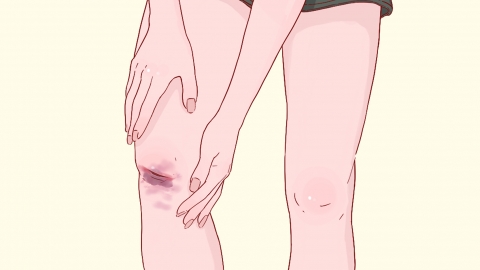
The primary symptom of cyanosis is a bluish-purple appearance of the skin and mucous membranes, commonly seen in peripheral areas such as the lips, fingernails, and nasal tip. In severe cases, similar changes may spread across the entire body. The underlying cause is hypoxia—when the concentration of reduced hemoglobin in the blood increases, it leads to visible color changes in the skin and mucous membranes. Cardio-pulmonary diseases are the main triggers; for example, pneumonia or asthma attacks that impair pulmonary gas exchange, or congenital heart disease and heart failure that disrupt circulation, can all prevent adequate oxygen delivery throughout the body, thereby causing cyanosis.
In daily life, ensure living spaces are well-ventilated and avoid crowded or polluted environments. Patients with pre-existing conditions must strictly follow medical instructions regarding medication and should not discontinue or adjust dosages without guidance. Engage in mild, appropriate physical activity to strengthen heart and lung function, but avoid intense exercise that could trigger hypoxia. Maintain a light, easily digestible diet rich in vitamins. If you or someone else develops cyanosis accompanied by symptoms such as difficulty breathing, chest pain, or dizziness, seek immediate medical attention to determine the cause and receive proper treatment.





