


What is reflux pharyngitis?
Nov 26, 2025
Source: Cainiu Health

Dr. Lu Cheng
Introduction
In general, reflux pharyngitis, also known as laryngopharyngeal reflux or gastroesophageal reflux-related pharyngitis, is a chronic pharyngitis caused by the backflow of gastric acid or stomach contents into the upper esophagus, throat, and even the nasopharynx and oral cavity. It is important to maintain regular eating habits, avoid overeating, refrain from heavy dinners, and not eat within two hours before bedtime. Intake of spicy, greasy, and overly acidic foods should be reduced.
Generally, reflux pharyngitis, also known as laryngopharyngeal reflux or gastroesophageal reflux-related pharyngitis, is a form of chronic pharyngitis caused by the backflow of gastric acid or stomach contents into the upper esophagus, throat, and even the nasopharynx and oral cavity. A detailed analysis is as follows:
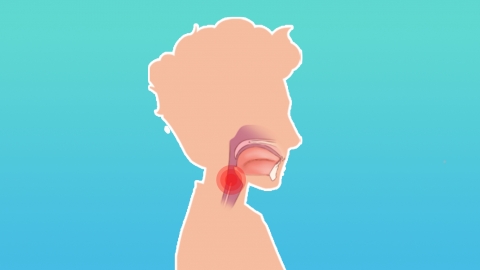
Reflux pharyngitis is an inflammatory condition triggered by the regurgitation of gastric contents into the throat. Under normal circumstances, the lower esophageal sphincter prevents stomach contents and gastric acid from flowing backward. However, when the sphincter's function weakens, gastric motility is insufficient, or there is frequent overeating, gastric acid and pepsin can reflux upward, irritating the mucous membranes of the throat. This leads to mucosal congestion and swelling, causing symptoms such as a sensation of a foreign body in the throat, burning pain, dry cough, and hoarseness. Prolonged reflux may also damage the throat's mucosal lining.
Maintain regular eating habits and avoid overeating. Do not eat dinner too heavily and refrain from eating within two hours before bedtime. Reduce consumption of spicy, greasy, and overly acidic foods, and avoid coffee, strong tea, and alcohol to minimize gastric irritation. Chew food slowly and thoroughly during meals to reduce the digestive burden on the stomach. Take a light walk after meals to promote gastrointestinal motility, and avoid lying down immediately afterward. Maintain a positive mood and reduce anxiety-induced gastrointestinal dysfunction. Seek medical attention promptly if symptoms persist.


