


How to tell if you have otitis media
Nov 26, 2025
Source: Cainiu Health

Dr. Lu Cheng
Introduction
In general, one can determine whether they have otitis media by comprehensively evaluating typical ear symptoms. Key diagnostic indicators include significant ear pain, hearing loss, abnormal ear discharge, tinnitus, and a sensation of fullness or pressure in the ear. If any of these symptoms occur, extra caution is advised. It is important to avoid water entering the ears during daily activities and refrain from cleaning the ears independently or using medications without medical guidance.
Generally, whether you have developed otitis media can be determined by recognizing typical ear symptoms. The key diagnostic indicators mainly include significant ear pain, hearing loss, abnormal ear discharge, tinnitus discomfort, and a feeling of fullness or pressure in the ear. Detailed analysis is as follows:
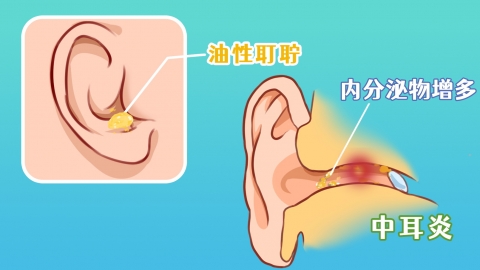
1. Significant ear pain: Ear pain is the most characteristic sign of otitis media. During acute episodes, the pain is often severe, sharp, or throbbing. Infants may cry persistently and frequently rub their ears. Pain often worsens at night and may intensify during swallowing, coughing, or chewing due to changes in ear pressure.
2. Hearing loss: Inflammation can cause fluid accumulation in the middle ear or congestion of the eardrum, impairing sound conduction and leading to noticeable hearing loss. This manifests as muffled hearing, the need to increase volume, and frequently asking others to repeat themselves during conversations.
3. Abnormal ear discharge: The ear canal may produce abnormal secretions. In early stages of acute suppurative otitis media, the discharge is typically mucoid, later turning yellow or yellow-green and purulent, sometimes accompanied by a mild unpleasant odor. After the discharge drains, symptoms such as ear pain and hearing loss may temporarily improve.
4. Tinnitus discomfort: Patients often experience persistent or intermittent tinnitus, commonly described as buzzing, flowing water, or wind-like noises. Tinnitus tends to be more noticeable in quiet environments. The more severe the inflammatory irritation, the higher the frequency and intensity of tinnitus may become, and some individuals may experience difficulty concentrating due to tinnitus.
5. Aural fullness: A distinct sensation of fullness or pressure in the ear is common, similar to having cotton stuffed in the ear or water trapped inside. Pressing on the tragus may temporarily relieve this sensation. This feeling persists and affects ear comfort; some people may repeatedly attempt to alleviate it by pinching their nose and blowing gently (Valsalva maneuver).
If any of the above symptoms occur, extra caution is advised. Avoid getting water in the ears during daily activities, and do not clean the ears yourself or use medications without medical advice. Promptly identifying the underlying cause and following professional guidance for care and treatment can effectively reduce ear damage caused by inflammation.



