


What should patients with chronic pharyngitis pay attention to in daily life?
Nov 26, 2025
Source: Cainiu Health

Dr. Lu Cheng
Introduction
Patients with chronic pharyngitis should generally pay attention to keeping the throat moist, adjusting their diet, avoiding irritating factors, maintaining regular作息 habits, and practicing good oral hygiene. They should develop the habit of drinking water regularly, choosing warm water or light tea, and avoid consuming large amounts of liquid at once. Instead, they can maintain moisture of the pharyngeal mucosa by drinking small amounts frequently. When indoor air is dry, a humidifier can be used to regulate humidity.
Patients with chronic pharyngitis should generally pay attention to keeping the throat moist, adjusting their diet, avoiding irritating factors, maintaining regular作息 habits, and practicing good oral hygiene. The details are as follows:
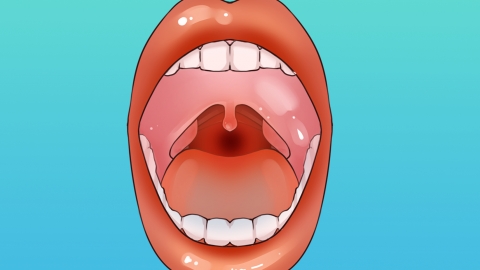
1. Keep the throat moist: Develop the habit of drinking water regularly, choosing warm water or light tea. Avoid drinking large amounts at once; instead, maintain moisture of the pharyngeal mucosa through frequent sipping of small amounts. When indoor air is dry, use a humidifier to regulate humidity and reduce foreign body sensations and discomfort caused by throat dryness.
2. Adjust diet: Avoid consuming spicy, excessively hot, or fried foods that may irritate the throat lining. Increase intake of fresh fruits and vegetables rich in vitamins, such as pears, apples, and spinach. Also avoid smoking and alcohol consumption, which can exacerbate inflammatory responses.
3. Avoid irritants: Stay away from environments containing dust, smoke, pollen, and other substances that easily irritate the throat. Wear a mask when going out in polluted weather conditions. Minimize excessive voice use and avoid prolonged loud talking or shouting to allow vocal cords and the throat adequate rest, thereby reducing the risk of recurrent inflammation.
4. Maintain regular作息 habits: Stick to a consistent daily routine, avoid staying up late and overexertion, and ensure sufficient sleep. Long-term sleep deprivation weakens the immune system and may trigger or worsen symptoms of chronic pharyngitis. A regular schedule helps maintain the body's resistance and supports inflammation control.
5. Practice good oral hygiene: Brush teeth thoroughly every morning and night, and rinse mouth after meals. Use a mild mouthwash to clean the oral cavity and reduce bacterial growth. If oral bacteria spread to the throat, they may aggravate inflammation. Proper oral care lowers the risk of throat infections.
Patients with chronic pharyngitis need to consistently adhere to daily self-care measures. If symptoms such as increased throat pain, difficulty swallowing, or frequent flare-ups occur, medical attention should be sought promptly to adjust treatment plans and prevent ongoing progression of the condition affecting quality of life.


