


How to treat yellow discharge from otitis media
Nov 27, 2025
Source: Cainiu Health

Dr. Lu Cheng
Introduction
Treatment for otorrhea with yellow discharge due to otitis media should focus on anti-inflammatory measures, ear canal cleaning, and infection prevention. It is generally managed through external ear canal hygiene, topical application of ear drops, avoiding ear canal irritation, and taking oral medications as prescribed. Under medical guidance, use a sterile cotton swab moistened with normal saline to gently wipe away the yellow discharge from the outer opening of the ear canal, taking care not to insert it deeply into the ear canal to avoid damaging the mucosa or worsening the infection.
Otitis media with yellow discharge requires treatment focused on anti-inflammatory measures, cleaning, and infection prevention. Management generally includes ear canal hygiene, topical use of ear drops, keeping the ear canal dry, avoiding irritation, and taking oral medications as prescribed. Specific approaches are analyzed below:
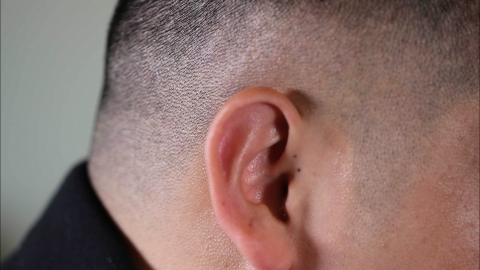
1. Ear canal cleaning and care: Under medical guidance, gently wipe away the yellow discharge at the outer opening of the ear canal using a sterile cotton swab moistened with normal saline. Avoid inserting the swab deeply into the ear canal to prevent damage to the mucous membrane or worsening of the infection. Keeping the outer ear clean helps reduce discomfort caused by accumulated secretions.
2. Topical use of ear drops: Based on the condition and under medical supervision, select appropriate ear drops. Clean the ear canal before administration. Tilt the head toward the unaffected side with the affected ear facing upward. Administer the prescribed number of drops as directed, then maintain this position for 5–10 minutes to allow full contact between the medication and the infected area, enhancing its anti-inflammatory and antibacterial effects and alleviating inflammation.
3. Keep the ear canal dry: Prevent water from entering the ear. Use earplugs or clean cotton balls to block the ear canal during face washing or hair washing. After bathing, promptly check for moisture in the ear canal and gently absorb any water with a sterile cotton swab. A damp ear canal promotes bacterial growth and may worsen inflammation; maintaining dryness supports healing.
4. Avoid ear canal irritation: Do not insert fingers, hairpins, cotton swabs, or other objects into the ear canal. Avoid forceful nose-blowing, which can transmit pressure from the nasal cavity to the middle ear, exacerbating inflammation or causing reverse flow of secretions. Also avoid smoky or dusty environments to minimize irritation to the ear canal mucosa.
5. Take oral medications as prescribed: If the inflammation is severe or accompanied by symptoms such as fever or intensified ear pain, oral antibiotics or anti-inflammatory drugs may be required after medical evaluation. Systemic medication helps control the spread of infection and reduce inflammatory responses. Medications should be taken for the full prescribed duration—do not discontinue or adjust dosage without medical advice.
During treatment, closely monitor changes in the color and amount of discharge, as well as ear pain and hearing. If yellow discharge persists beyond three days, symptoms worsen, or new symptoms such as fever or headache develop, seek medical attention promptly.



