


What should I do if my ear hurts severely after using ofloxacin ear drops for otitis media?
Nov 27, 2025
Source: Cainiu Health

Dr. Lu Cheng
Introduction
In general, if the ear becomes particularly painful after applying ofloxacin ear drops for otitis media, it may be caused by factors such as low medication temperature, improper administration technique, tympanic membrane perforation, worsening of external otitis, or spreading infection from middle ear effusion. Depending on the specific situation, patients may improve symptoms by adjusting the method of medication, pharmacological treatment, or surgical intervention. A detailed analysis is as follows:
Generally, if the ear becomes particularly painful after applying ofloxacin ear drops for otitis media, it may be due to factors such as low medication temperature, improper administration technique, eardrum perforation, worsening external otitis, or spread of infection from middle ear effusion. Patients can improve symptoms by adjusting their method of medication use, drug therapy, or surgical treatment based on specific circumstances. Detailed analysis is as follows:
1. Low Medication Temperature
If refrigerated drops are applied directly into the ear canal, they may irritate the sensitive mucous membrane of the middle ear, causing blood vessel constriction and pain. To prevent this, allow the medication to warm to room temperature before use. When administering the drops, keep the affected ear facing upward and let the solution slowly soak into the mucosa.
2. Improper Administration Technique
Pain may worsen if the dropper tip touches the ear canal or if the liquid flows too quickly, creating a strong impact on inflamed areas. Before application, wash hands thoroughly. Hold the bottle about 1 cm away from the ear opening and gently instill the drops. Afterward, press gently on the tragus several times and remain lying on your side for approximately 5 minutes to ensure proper distribution.
3. Eardrum Perforation
If the eardrum is ruptured, the medication may directly stimulate sensitive tissues inside the middle ear, leading to severe pain. Immediately discontinue using ofloxacin ear drops. Follow medical advice to switch to oral antibiotics such as cefixime dispersible tablets, azithromycin dry suspension, or roxithromycin capsules, and avoid allowing water into the ear.
4. Worsening External Otitis
If inflammation in the external auditory canal is uncontrolled, the medication may further irritate swollen and inflamed mucosa, increasing pain. Under a doctor’s guidance, consider switching to lomefloxacin hydrochloride ear drops, combined with oral cefuroxime axetil tablets and ibuprofen sustained-release capsules. Keep the ear canal dry during treatment.
5. Infection Spread Due to Middle Ear Effusion
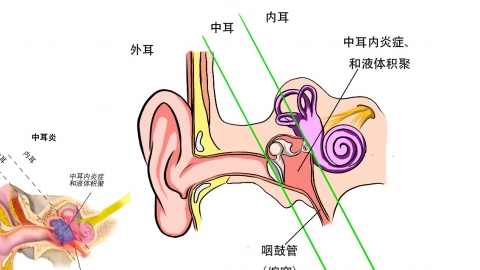
If accumulated fluid in the middle ear is not drained, the infection may progress and cannot be controlled by topical medication alone, resulting in pain. Seek medical attention for myringotomy (a procedure to drain the fluid). After surgery, follow the prescribed regimen including cefaclor sustained-release tablets, metronidazole tablets, and ofloxacin gel.
Do not arbitrarily increase dosage or stop medication when experiencing pain after ear drop application—first review your administration technique. Maintain good ear hygiene in daily life: avoid ear picking and prevent contaminated water from entering the ear. Always inform your doctor about your ear condition before starting any treatment to ensure safer and more effective outcomes.



