


The fastest and most effective method for relieving phlegm in pharyngitis
Nov 27, 2025
Source: Cainiu Health

Dr. Lu Cheng
Introduction
There is no such thing as the "fastest and most effective method for relieving phlegm in pharyngitis." Phlegm relief in pharyngitis can be achieved through expectorant medications, nebulizer inhalation therapy, adequate fluid intake to dilute mucus, dietary adjustments as supportive measures, and postural drainage to promote secretion clearance. If the phlegm is thick and accompanied by high fever or difficulty breathing, prompt medical attention is necessary. Use mucolytic agents or expectorants as directed by a healthcare provider.
There is no such thing as the "fastest and most effective method for relieving phlegm in pharyngitis." Phlegm relief in pharyngitis can be achieved through medication for expectoration, nebulized inhalation, adequate hydration to dilute mucus, dietary adjustments, and postural drainage. If the phlegm is thick and accompanied by high fever or difficulty breathing, prompt medical attention is necessary.
1. Medication for expectoration: Follow medical advice to use mucolytic agents or expectorants. Avoid using antitussive (cough suppressant) drugs on your own, as they may hinder phlegm expulsion. These medications help thin the mucus, making it easier to expel and reducing throat irritation.
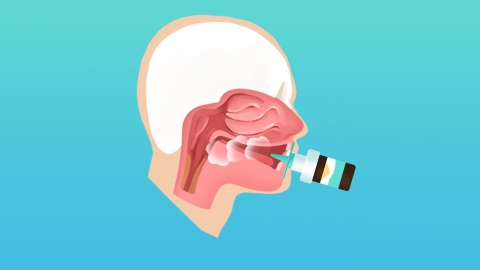
2. Nebulized inhalation therapy: Use normal saline or prescribed nebulizing medications delivered via a nebulizer to directly reach the throat. This helps moisten the airways, thin secretions, and relieve discomfort.
3. Hydration to dilute mucus: Drink sufficient amounts of warm water daily to keep the throat mucosa moist, reduce phlegm viscosity, promote natural expulsion of mucus, and prevent dehydration from worsening symptoms.
4. Dietary adjustments: Choose light, easily digestible foods and consume more water-rich fruits and vegetables. Avoid spicy, greasy, and sugary foods to reduce phlegm production and support mucus clearance.
5. Postural drainage: Lean forward with your head lowered to allow gravity to help move phlegm toward the throat. Combine this position with gentle back tapping to facilitate effective coughing and phlegm removal.
Maintain appropriate indoor humidity, avoid exposure to smoke, dust, and other irritants, follow a regular sleep schedule, and avoid overusing your voice to reduce strain on the throat. These measures support the repair of respiratory mucosa and accelerate mucus clearance and recovery.



