


What causes coughing with nosebleeds, and what should be done about it?
Nov 27, 2025
Source: Cainiu Health

Dr. Lu Cheng
Introduction
In general, coughing accompanied by nosebleeds may be caused by dry air, forceful coughing, irritation from allergic rhinitis, acute upper respiratory tract infection, nasal polyps obstruction, or other reasons. It is recommended to seek medical attention promptly, identify the underlying cause, and then improve symptoms through general measures, medications, or other treatments under a doctor's guidance. Wear a mask when going outdoors to reduce irritation from cold air and pollutants.
Generally, coughing accompanied by nosebleeds may be caused by dry air, forceful coughing, irritation from allergic rhinitis, acute upper respiratory tract infection, nasal polyps blocking the nasal passage, and other reasons. It is recommended to seek medical attention promptly, identify the underlying cause, and then improve symptoms under a doctor's guidance through general management, medication, or other treatments. Specific analyses are as follows:
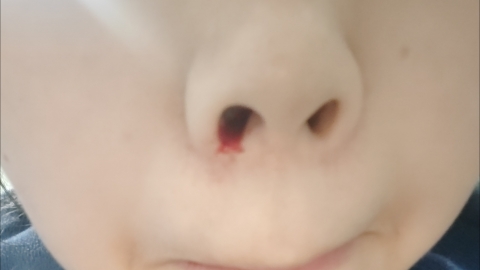
1. Dry Air: Dry air causes moisture loss in the nasal mucosa, reducing its elasticity and making it fragile. The vibration during coughing can easily lead to mucosal damage and bleeding. Use a humidifier indoors to maintain humidity between 50% and 60%. Moisten the nasal mucosa daily with saline nasal spray and avoid frequent nose picking.
2. Forceful Coughing: Severe or frequent coughing can abruptly increase blood vessel pressure within the nasal cavity, leading to vessel rupture and bleeding, commonly seen in individuals with chronic cough. Try to cough gently when possible. During a nosebleed, lean forward and pinch the nostrils for 5–10 minutes to stop the bleeding.
3. Allergic Rhinitis Irritation: After exposure to allergens, nasal mucosa becomes congested and swollen. The airflow from coughing can easily damage the irritated mucosa, often accompanied by sneezing and runny nose. Follow your doctor’s instructions to use medications such as loratadine tablets, cetirizine hydrochloride drops, and montelukast sodium chewable tablets.
4. Acute Upper Respiratory Tract Infection: Viral or bacterial infections cause inflammation in the throat and nasal passages. Sore throat triggers coughing, while inflamed and congested nasal mucosa is prone to bleeding. Under medical guidance, medications such as amoxicillin capsules, cefuroxime axetil tablets, and ambroxol hydrochloride oral solution may be used to relieve symptoms.
5. Nasal Polyps Obstruction: Long-standing nasal polyps block the nasal passage, impairing mucosal blood circulation. The added pressure from coughing may result in mucosal bleeding, often accompanied by nasal congestion and reduced sense of smell. If drug treatment proves ineffective, endoscopic nasal polypectomy can be performed to remove the polyps, clear the nasal passage, and improve blood supply to the nasal mucosa.
In daily life, avoid spicy and heat-inducing foods. Consume more moistening foods such as pears and white fungus, along with fruits and vegetables rich in vitamin C. Wear a mask outdoors to reduce irritation from cold air and pollutants. Comprehensive care can help reduce episodes of coughing and nosebleeds, promoting respiratory and nasal health.



