


What causes unexplained pain under a fingernail, and what should I do about it?
Nov 28, 2025
Source: Cainiu Health

Dr. Liu Wenmin
Introduction
In general, unexplained pain under a fingernail may be caused by nail compression, improper trimming, nail bed inflammation, paronychia, subungual abscess, or other reasons. It is recommended to seek medical attention promptly, identify the underlying cause, and then improve the condition through general measures, medication, or other treatments under a doctor's guidance. In daily life, avoid using nails to dig hard objects to reduce nail injuries.
Generally, pain occurring for no apparent reason under a fingernail may be caused by nail compression, improper trimming, nail bed inflammation (onychitis), paronychia, or subungual abscess. It is recommended to seek medical attention promptly, identify the underlying cause, and then improve the condition under a doctor's guidance through general care, medication, and other treatments. Specific analyses are as follows:
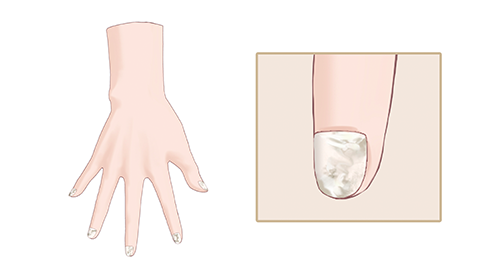
1. Nail compression: Wearing tight shoes or having the nail crushed by heavy objects can lead to congestion of blood vessels beneath the nail, causing pain. Immediately switch to loose, comfortable footwear to avoid further pressure on the nail. Apply cold compresses initially to relieve pain; after 48 hours, switch to warm compresses to promote absorption of bruising.
2. Improper trimming: Cutting the nails too short or unevenly along the edges may irritate the nail bed and surrounding tissues, resulting in pain. Discontinue improper trimming practices and allow the nail to grow naturally. Avoid contact with irritating substances, and apply a gentle hand cream after washing hands to protect the skin around the nail.
3. Nail bed inflammation (onychitis): Bacterial infection between the nail and nail bed causes inflammation, manifesting as pain, redness, and swelling beneath the nail. Patients should follow medical advice to apply topical medications such as mupirocin ointment, fusidic acid cream, or compound polymyxin B ointment, while keeping the nail clean and dry.
4. Paronychia: Infection of the nail fold and surrounding tissues. Initially presents as pain along the edge of the nail, gradually spreading beneath the nail. Patients may take oral antibiotics such as cefuroxime axetil tablets, amoxicillin capsules, or roxithromycin dispersible tablets as directed by a physician, combined with soaking the affected area in warm water to alleviate discomfort.
5. Subungual abscess: Progression of paronychia leads to pus accumulation beneath the nail, causing severe pain and nail elevation. Immediate medical attention is required. A subungual abscess incision and drainage procedure must be performed to release pus and relieve pressure. After surgery, follow medical instructions to use anti-infective medications to support recovery.
In daily life, avoid using nails to dig hard objects to reduce nail injury. Choose well-fitting, breathable shoes and socks, and keep feet dry. Nutritionally, consume more protein- and vitamin-rich foods to enhance skin resistance and support healthy nail recovery.





