


What are the transmission routes of warts?
Nov 29, 2025
Source: Cainiu Health

Dr. Liu Wenmin
Introduction
In general, warts are benign skin growths caused by infection with the human papillomavirus (HPV). Transmission routes mainly include direct skin contact, indirect contact with contaminated objects, autoinoculation, infection through injuries or broken skin, and mother-to-child transmission. To prevent wart infection, it is important to maintain personal hygiene, avoid sharing personal items with others, wash hands frequently, and change clothes regularly.
Generally, warts are benign skin growths caused by infection with the human papillomavirus (HPV). The main transmission routes include direct skin contact, indirect contact with contaminated objects, autoinoculation, infection through injured or broken skin, and mother-to-child transmission. A detailed analysis is as follows:
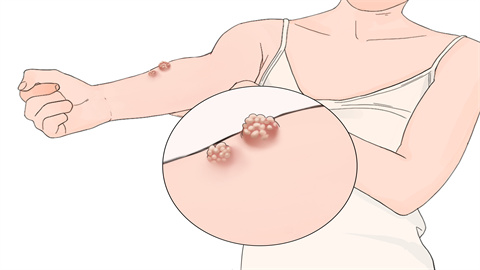
1. Direct skin contact: Direct skin contact with individuals carrying the human papillomavirus is the most common route of wart transmission. Close contact with the affected areas of an infected person allows the virus to transfer easily through friction between skin surfaces, increasing the risk of infection. Intimate actions such as handshakes and hugs can serve as potential transmission pathways.
2. Indirect contact with contaminated objects: Infection may also occur through contact with items contaminated by HPV. Personal items such as towels, clothing, toothbrushes, and razors, as well as public surfaces like handrails in communal baths or gym equipment, may harbor residual virus. Healthy individuals may become infected if their skin has vulnerable spots after touching these contaminated surfaces.
3. Autoinoculation: Individuals already infected with warts may spread the virus to other parts of their own body by frequently scratching or rubbing the warts. This causes the virus to adhere to the hands, which can then transfer the virus to other body areas upon contact, leading to new wart formation—commonly seen on fingers, soles of the feet, and other areas prone to friction.
4. Infection through injured or broken skin: When the skin sustains cuts, abrasions, or damage, its protective barrier function is compromised, making it easier for HPV to invade skin cells and multiply rapidly, resulting in infection. People engaged in physical labor or sports activities are more susceptible to skin injuries and thus face a higher risk of infection.
5. Mother-to-child transmission: If a mother is infected with HPV during pregnancy, the newborn may come into contact with virus-carrying skin or secretions from the mother's birth canal during delivery, potentially leading to viral infection.
To prevent wart infection, it is important to maintain good personal hygiene, avoid sharing personal items, wash hands frequently, and change clothes regularly. Prompt care of skin wounds is essential, and exposure to potential sources of infection should be avoided. Additionally, strengthening the body's immune system can help reduce the likelihood of viral infection.


