


What is pseudogenital warts?
Nov 29, 2025
Source: Cainiu Health

Dr. Liu Wenmin
Introduction
Pseudocondyloma is commonly seen in women aged 20–30 and predominantly occurs on the inner labia minora, vestibule of the vagina, and similar areas. It presents as 1–2 mm small, smooth, pale red or skin-colored papules resembling fish roe or velvety projections. Most patients are asymptomatic, although mild itching or increased discharge may occasionally occur. It clearly differs from condyloma acuminatum (genital warts), which typically presents as cauliflower-like growths with a rough surface.
"Pseudocondyloma" refers to pseudocondyloma, which is typically a benign papillary growth occurring in the female genital area. It is unrelated to viral infection and is non-contagious. If any abnormalities occur, timely medical consultation is recommended. The detailed analysis is as follows:
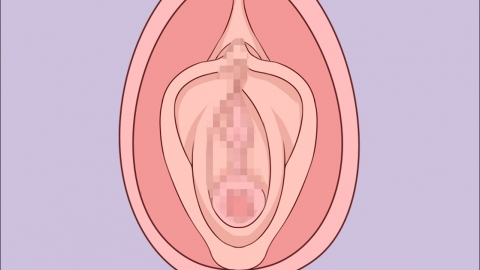
Pseudocondyloma commonly affects women aged 20–30 years and primarily develops on the inner labia minora, vestibule of the vagina, and similar areas. It presents as 1–2 mm small, pale red or skin-colored papules with smooth surfaces, resembling fish roe or velvet-like projections. These lesions are densely arranged but do not merge together. Most patients are asymptomatic; occasionally, mild itching or increased discharge may occur, clearly distinguishing it from condyloma acuminatum (genital warts), which features cauliflower-like, rough-surfaced growths.
The exact pathogenesis of this condition remains incompletely understood, but it may be associated with chronic local inflammation, increased secretions, or hormonal fluctuations. For instance, persistent irritation of the vulvar mucosa by vaginal discharge in patients with chronic vaginitis, or heightened tissue sensitivity due to hormonal changes during puberty or reproductive years, may trigger the development of pseudocondyloma.
In daily life, maintaining cleanliness and dryness of the external genitalia is essential. Wearing cotton, breathable underwear is recommended, while excessive cleaning or using irritating cleansers should be avoided. If symptoms such as increasing rash, worsening itching, or abnormal odor develop, prompt gynecological evaluation is advised to rule out coexisting infections.


