Are the milia turning white a sign they're about to fall off?
Nov 29, 2025
Source: Cainiu Health

Dr. Liu Wenmin
Introduction
If a milia turns white, gradually becomes smaller and softer in texture, and the surrounding skin shows no redness or discomfort, it may indicate that the internal contents are being metabolized and the lesion is about to shed naturally. This situation often results from the skin's self-repair mechanism, whereby the outer keratin layer of the milia gradually loosens and may eventually detach on its own through routine cleansing or friction, requiring no special treatment.
In general, when a milia turns white, it may indicate that it is about to fall off, or it could be a local change requiring observation; this does not always mean it will soon drop off. If in doubt, it is recommended to consult a doctor early. Specific analysis is as follows:
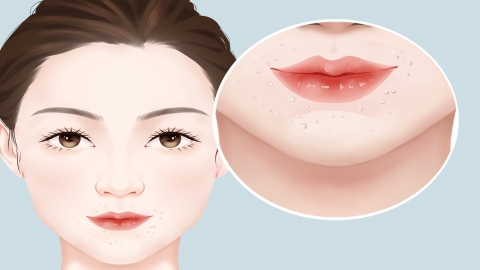
If the milia gradually becomes smaller and softer after turning white, with no redness or discomfort in the surrounding skin, it may indicate that the internal contents are being metabolized and it is likely to naturally shed. This situation often results from the skin's self-repair mechanism, causing the outer keratin layer of the milia to loosen gradually. It may eventually detach naturally during routine cleansing or friction, and typically requires no special treatment.
However, if the milia remains the same size or becomes harder after turning white, or is accompanied by mild redness, swelling, or pain, it might indicate minor local inflammation or keratin buildup rather than impending shedding. In such cases, blindly squeezing or irritating the area may worsen the skin condition and even leave marks. Self-treatment should be avoided, and one should wait for the skin to stabilize or seek professional help.
Avoid squeezing milia arbitrarily in daily life, and refrain from using irritating skincare products. If milia persist for a long time or show abnormal changes, medical advice should be sought promptly so that professionals can determine whether intervention is needed.