


What are the symptoms of mumps?
Dec 01, 2025
Source: Cainiu Health

Dr. Li Feng
Introduction
In general, mumps is an acute respiratory infectious disease caused by the mumps virus. Common symptoms include swelling of the salivary glands, localized pain, fever, abnormalities in oral glands, and accompanying malaise. Mumps is contagious; patients should be isolated promptly to prevent cross-infection, get adequate rest, and follow a light, liquid diet.
Generally, mumps is an acute respiratory infectious disease caused by the mumps virus. Its common symptoms mainly include swelling of the salivary glands, local pain, fever, abnormalities in oral glands, and accompanying discomfort. A detailed analysis is as follows:
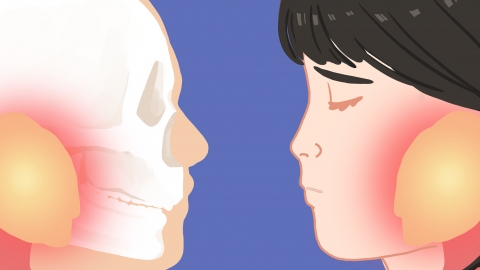
1. Salivary gland swelling: The swelling typically centers around the earlobe and spreads forward, backward, and downward, presenting a characteristic pear-shaped or diffuse enlargement with unclear borders. The mass feels soft yet elastic, and the overlying skin appears taut but not red. Usually, one side swells first, with the other side becoming involved after 1–3 days. Swelling peaks within 5–7 days and then gradually subsides.
2. Local pain: The swollen area may feel distended or dull-aching. Pain significantly worsens during chewing, swallowing, or especially when consuming acidic foods. This occurs because acidic foods stimulate saliva production, but the inflamed salivary ducts are obstructed, increasing pressure and discomfort in the gland. Some patients experience obvious tenderness upon palpation of the swollen area.
3. Fever: Fever commonly develops at the onset of illness, with body temperature ranging from 38°C to 40°C. The duration of fever varies—lasting from as short as 1–2 days to as long as 5–7 days. Fever may be accompanied by headache, fatigue, and lethargy. The severity of fever often correlates with the seriousness of the illness.
4. Oral gland abnormalities: The opening of the parotid duct may appear red and swollen. When the parotid gland is squeezed, purulent discharge is usually absent. Due to glandular swelling, some patients may experience reduced saliva secretion, leading to dry mouth and a parched sensation.
5. Accompanying discomfort: In addition to the typical symptoms, some patients may develop gastrointestinal symptoms such as decreased appetite, nausea, vomiting, and abdominal pain. These manifestations are more pronounced in children. A minority of patients may also experience systemic symptoms like muscle aches and general weakness.
Mumps is contagious; therefore, patients should be isolated promptly to prevent cross-infection. Adequate rest is recommended, and diet should primarily consist of light, liquid foods to minimize stimulation of saliva secretion and reduce stress on the salivary glands.



