


Is an ALT level of 68 considered high?
Dec 02, 2025
Source: Cainiu Health

Dr. Huang Yuhong
Introduction
If the transaminase level of 68 is due to recent factors such as staying up late, intense exercise, alcohol consumption, or eating greasy food, and there are no symptoms like fatigue or jaundice, it is usually a physiological elevation. This condition typically results from a temporary increase in metabolic burden on liver cells, rather than an organic disease. After adjusting lifestyle habits, retesting after 1–2 weeks often shows that the indicators spontaneously return to normal.
Generally, a transaminase level of 68 is considered mildly elevated. Elevations caused by physiological factors are usually not serious, while those due to pathological factors require caution. If in doubt, it is recommended to seek medical advice promptly. Specific analysis is as follows:
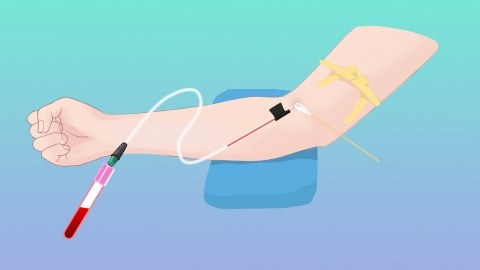
If the transaminase level of 68 is linked to recent behaviors such as staying up late, intense exercise, alcohol consumption, or eating greasy foods, and there are no symptoms like fatigue or jaundice, it is likely a physiological increase. This type of elevation results from temporary increased metabolic stress on liver cells and does not indicate organic disease. After adjusting lifestyle habits, retesting after 1–2 weeks typically shows spontaneous normalization of the values.
If a transaminase level of 68 is accompanied by symptoms such as decreased appetite or discomfort in the liver area, or if there is an underlying condition like viral hepatitis, fatty liver, or drug-induced liver injury, the elevation is more likely pathological. In such cases, mild liver cell damage has already occurred. Without timely intervention, the damage may worsen, necessitating further tests to identify the cause and appropriate targeted treatment.
When transaminase levels reach 68, first review recent lifestyle habits and retest after improving sleep and diet. If levels remain elevated or symptoms persist, promptly undergo further evaluations such as liver and gallbladder ultrasound and viral screening. Avoid excessive alcohol consumption and hepatotoxic medications, maintain a regular daily routine, and support liver function recovery.





