


Can elevated transaminase levels of 200 resolve spontaneously?
Dec 02, 2025
Source: Cainiu Health

Dr. Huang Yuhong
Introduction
If elevated transaminase levels are caused by short-term physiological factors—such as heavy alcohol consumption, staying up late, intense physical exercise, or timely discontinuation of hepatotoxic medications—and the individual experiences no symptoms like jaundice or liver-area pain, the liver cells can repair themselves spontaneously. With lifestyle adjustments (such as abstaining from alcohol, maintaining regular作息, and eating a light diet), transaminase levels typically return to normal gradually within 1–2 months.
Under normal circumstances, if an alanine aminotransferase (ALT) level of 200 U/L is caused by physiological factors, it may resolve spontaneously; however, if it results from pathological factors, spontaneous recovery is unlikely. If in doubt, it is recommended to seek medical advice promptly. The detailed analysis is as follows:
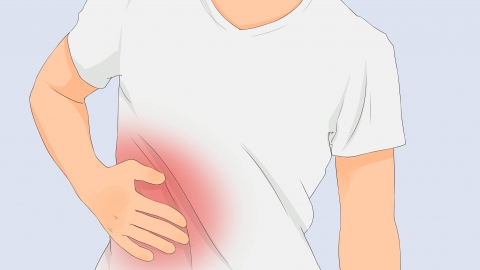
If elevated transaminase levels are due to short-term physiological factors—such as heavy alcohol consumption, staying up late, intense physical exercise, or timely discontinuation of hepatotoxic medications—and the individual experiences no symptoms like jaundice or liver-area pain, the liver cells can repair themselves naturally. By adjusting lifestyle habits (e.g., abstaining from alcohol, maintaining regular sleep patterns, and adopting a light diet), ALT levels typically return to normal gradually within one to two months, achieving self-resolution.
If elevated transaminase levels are associated with pathological conditions—such as viral hepatitis, fatty liver disease, cirrhosis, or cholecystitis—where substantial liver damage has already occurred, the body’s natural repair mechanisms alone are insufficient to restore ALT levels to normal, and the condition cannot resolve spontaneously. In such cases, further diagnostic tests are required to identify the underlying cause, followed by targeted treatments (e.g., antiviral therapy or hepatoprotective medications). Without proper treatment, liver function may progressively deteriorate, leading to more serious complications.
Upon discovering an ALT level of 200 U/L, individuals should immediately correct unhealthy lifestyle habits. Liver function should be rechecked after one month to monitor changes in enzyme levels. If symptoms persist or ALT values do not decrease, prompt medical evaluation and comprehensive testing are necessary to avoid delayed treatment.




