


Is folliculitis an early symptom of HIV/AIDS?
Jul 01, 2026
Source: Cainiu Health

Dr. Liu Wenmin
Introduction
In general, folliculitis is not an early symptom of AIDS; these are two entirely distinct conditions. If you experience any discomfort, it is advisable to seek medical attention promptly. Maintain daily skin cleanliness and dryness, and promptly remove sweat and sebum to minimize follicular obstruction. Avoid scratching or squeezing the affected area to prevent skin breaks that could worsen infection.
Generally speaking, folliculitis is not an early symptom of HIV/AIDS; these are two entirely distinct conditions. If you experience any discomfort, it is advisable to seek medical attention promptly. A detailed analysis follows:
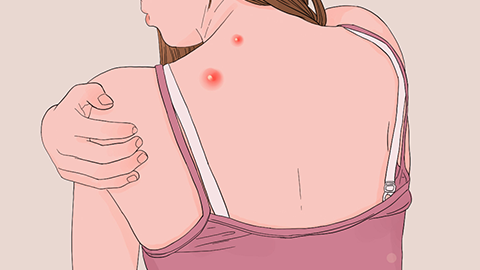
Folliculitis is a common skin inflammation, most frequently caused by bacterial or fungal infection of hair follicles on the skin surface. Inadequate daily hygiene, excessive sweating, or minor skin injuries may all trigger it—even healthy individuals commonly develop folliculitis.
In its early stage, HIV/AIDS typically presents with systemic symptoms such as fever, sore throat, and lymphadenopathy; it does not manifest initially as folliculitis. While immunosuppression resulting from advanced HIV infection may increase susceptibility to skin infections—including folliculitis—such infections represent secondary complications arising from compromised immunity rather than hallmark signs of early disease. There is no specific or exclusive association between folliculitis and HIV infection; therefore, folliculitis should not be used to assess or diagnose HIV.
To prevent recurrent folliculitis, maintain clean, dry skin; promptly remove sweat and sebum; avoid scratching or squeezing affected areas to prevent further skin injury and infection exacerbation. Wear loose, breathable clothing to minimize skin friction, and maintain regular sleep patterns to support stable immune function—these measures can effectively reduce the recurrence of folliculitis.


