


What are the basic facts about preventing HIV infection?
Dec 03, 2025
Source: Cainiu Health

Dr. Liu Wenmin
Introduction
Basic knowledge for preventing HIV infection includes practicing safe sex consistently, avoiding sharing of needles, using blood products properly, implementing effective mother-to-child transmission prevention, and maintaining good personal hygiene and protection. Strict adherence to these measures can significantly reduce the risk of infection. If you have engaged in high-risk behaviors or experience symptoms suggestive of HIV, it is recommended to seek medical attention and testing promptly. Use condoms throughout sexual intercourse.
Basic knowledge for preventing HIV infection includes practicing safe sex, avoiding sharing of injection syringes, using blood products responsibly, implementing effective mother-to-child transmission prevention, and enhancing personal hygiene and protection. Strictly following these measures can significantly reduce the risk of infection. If you have engaged in high-risk behaviors or experience symptoms suggestive of HIV, it is recommended to seek medical testing promptly.
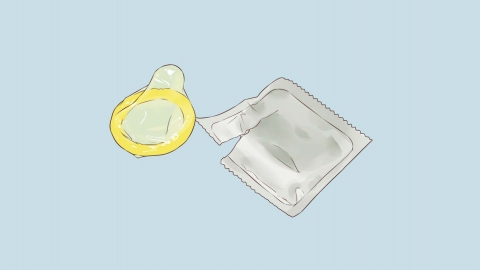
1. Practice Safe Sex: Consistently and correctly use condoms during all sexual activities. Avoid unprotected high-risk sexual behaviors and refrain from unprotected contact with individuals infected with HIV to reduce the risk of sexual transmission.
2. Avoid Sharing Injection Equipment: Refrain from injecting drugs and never share syringes, needles, or other injection equipment with others. Use sterile, disposable instruments during medical procedures to prevent HIV transmission through blood exposure.
3. Use Blood Products Responsibly: Seek medical care only at正规 medical institutions. Avoid using blood or blood products of unknown origin. Before receiving blood transfusions or organ transplants, ensure that all relevant products have been tested for HIV.
4. Prevent Mother-to-Child Transmission: Women of childbearing age who are living with HIV should plan pregnancies under medical guidance. They should receive standardized antiretroviral prophylaxis during pregnancy, childbirth, and breastfeeding. Newborns should be tested and provided timely interventions after birth.
5. Enhance Personal Hygiene and Protection: Do not share personal items such as toothbrushes or razors that may be contaminated with blood. In medical settings, if skin or mucous membranes are exposed to another person’s blood or bodily fluids, follow proper decontamination procedures immediately.
It is important to actively learn about HIV prevention and control, avoid stigmatizing people living with HIV, and strengthen self-protection awareness. Avoid sharing items that could cause skin injuries, maintain a healthy lifestyle, and get tested promptly after any high-risk behavior to ensure early detection and early intervention.




