


What Causes Calf Pain and Swelling?
Jul 09, 2026
Source: Cainiu Health

Dr. Li Feng
Introduction
In general, calf pain and swelling may result from excessive physical activity, prolonged standing or sitting, varicose veins in the lower limbs, myofascial inflammation, or knee osteoarthritis. If discomfort occurs, it is advisable to seek timely medical evaluation and treatment at a reputable hospital. In daily life, avoid prolonged sitting or standing, and engage in appropriate limb exercises.
Generally, calf soreness and swelling may result from excessive physical activity, prolonged standing or sitting, lower-limb varicose veins, myofascial inflammation, or knee osteoarthritis. If discomfort occurs, it is advisable to seek timely evaluation and treatment at a reputable hospital. A detailed analysis follows:
1. Excessive Physical Activity
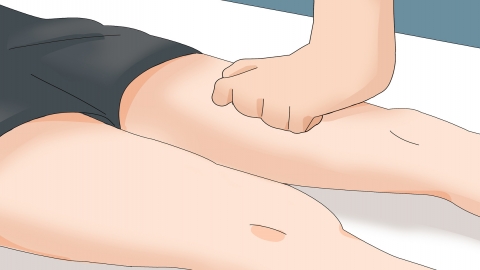
After intense exercise, lactic acid accumulates significantly in the calf muscles, causing muscle tension and hyperemia, thereby triggering soreness and swelling. Rest promptly, gently massage the calf muscles, soak feet in warm water, and temporarily reduce high-intensity limb activities.
2. Prolonged Standing or Sitting
Maintaining a fixed posture for extended periods impedes venous return in the lower limbs, leading to blood stasis in the calves and resulting in localized soreness and swelling. Regularly move your limbs, elevate your calves to facilitate venous return, and wear compression stockings daily to support circulation.
3. Lower-Limb Varicose Veins
Dysfunction of venous valves in the lower limbs causes retrograde blood flow and stasis, producing calf soreness, heaviness, and visible superficial vein protrusion. Medications such as Diosmin tablets, Aescin tablets, and Calcium Dobesilate capsules may be prescribed per physician guidance; severe cases may require high ligation and stripping of the great saphenous vein.
4. Myofascial Inflammation
Repetitive strain or cold exposure to the calf muscles and fascia triggers sterile inflammation, irritating surrounding tissues and causing swelling and soreness. Nonsteroidal anti-inflammatory drugs (NSAIDs) such as Diclofenac Sodium Sustained-Release Tablets, Celecoxib Capsules, or Etoricoxib Tablets may be prescribed per physician guidance, supplemented by local heat application and rest.
5. Knee Osteoarthritis
Progressive degeneration and wear of knee joint cartilage lead to traction on surrounding calf musculature, resulting in referred soreness and swelling. Treatment may include Glucosamine Capsules, Ibuprofen Tablets, or Loxoprofen Sodium Tablets per physician guidance; advanced cases may require arthroscopic cartilage repair surgery.
In daily life, avoid prolonged sitting or standing; engage in appropriate limb exercises; keep legs warm to prevent muscle chilling; elevate the lower limbs moderately to promote circulation; and consult a healthcare provider promptly if persistent discomfort arises.




