


How to Remove Scars from Minimally Invasive Surgery
Dec 22, 2021
Source: Cainiu Health

Dr. Liu Wan
Introduction
How to Remove Scars from Minimally Invasive Surgery:
1. Laser Therapy: Laser treatment is suitable for superficial atrophic and hypertrophic scars. When the laser acts on the skin, only the scarred area on the skin surface is affected, while surrounding tissues remain unharmed. This promotes neocollagenesis and collagen remodeling in the dermis.
2. Radiation Therapy: Radiation therapy is indicated for superficial hypertrophic scars.
Minimally invasive surgery is a relatively common surgical approach and one frequently chosen by many patients for treating various conditions. Compared with traditional open surgery, minimally invasive procedures cause significantly less tissue trauma; however, even minimal trauma still occurs, and postoperative scarring is inevitable. Below, we outline effective methods for scar removal following minimally invasive surgery.
How to Remove Scars After Minimally Invasive Surgery
1. Laser Therapy
Laser therapy is suitable for superficial atrophic and hypertrophic scars. When the laser is applied to the skin, only the scarred tissue on the skin surface is targeted—surrounding healthy tissues remain unaffected. Untreated areas respond by synthesizing increased amounts of collagen and elastin, thereby promoting collagen regeneration and realignment in the dermis. Moreover, laser irradiation induces multiple biological effects—including photothermal, photochemical, photomechanical (pressure), electromagnetic, and biostimulatory effects—which collectively facilitate rapid thermal decomposition, vaporization, or fragmentation of damaged or necrotic scar tissue into microscopic particles. These particles are subsequently phagocytosed by macrophages and eliminated from the body, ultimately resulting in scar flattening and smoothing.
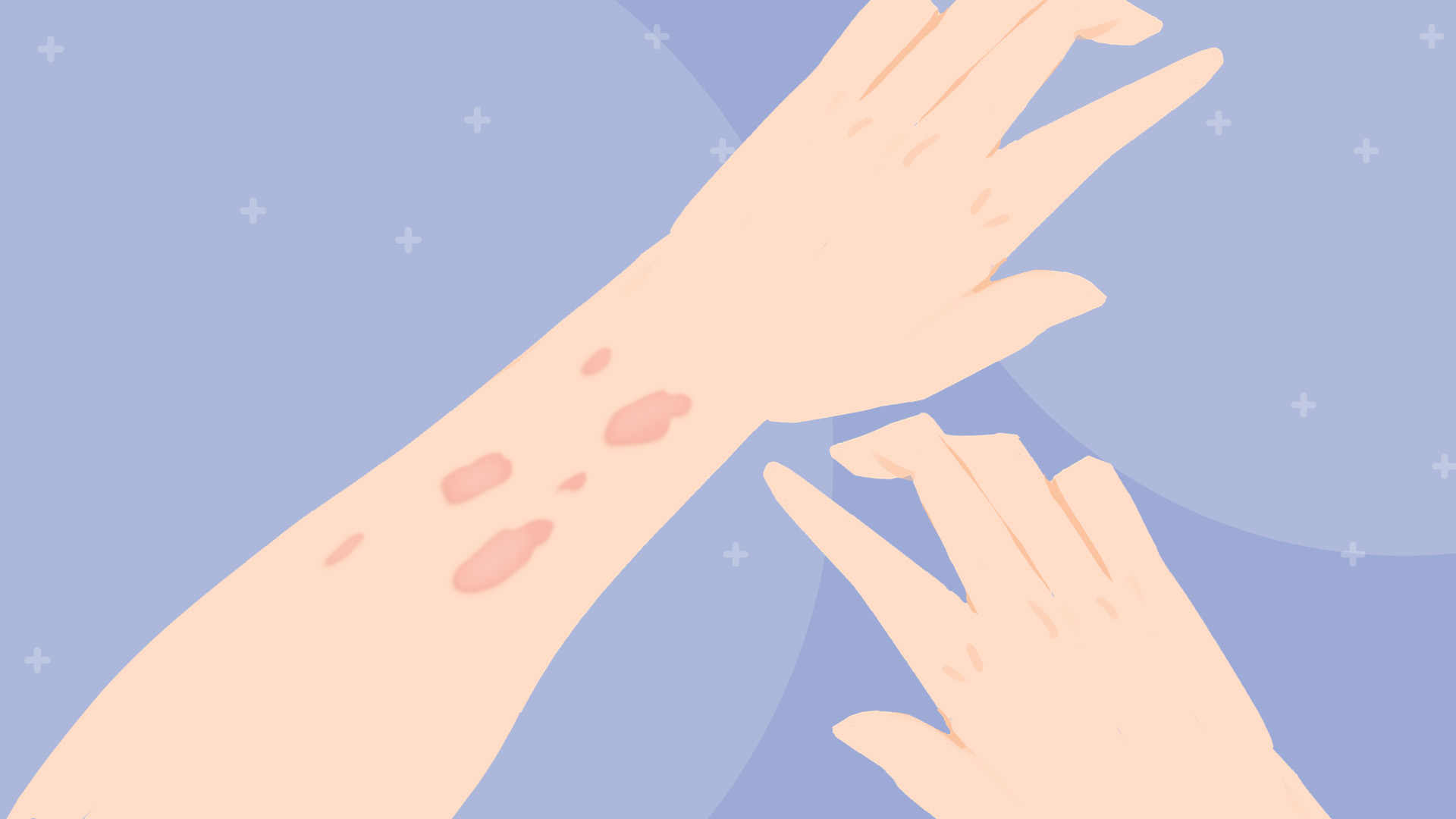
2. Radiation Therapy
Radiation therapy is indicated for superficial hypertrophic scars. During treatment, low-energy X-rays or beta radiation significantly reduce the number and impair the function of fibroblasts within the scar tissue, leading to decreased synthesis—and increased degradation—of collagen fibers and extracellular matrix components. Consequently, the scar becomes flatter and softer. The cost of radiation therapy for scar management typically ranges from ¥1,000 to ¥3,000.
3. Dermabrasion
Dermabrasion is a surgical technique that involves mechanical abrasion of the epidermis and upper papillary dermis to correct irregularities in skin texture and tone, restoring smoothness and color uniformity. It is indicated for superficial scars resulting from acne, smallpox, chickenpox, herpes zoster, eczema, trauma, burns, or prior surgery. For optimal outcomes, dermabrasion may be combined with surgical excision of the scar; this combined approach yields superior results compared to dermabrasion alone.
The above outlines key approaches for managing scars following minimally invasive surgery. Each method has specific indications and is suited to different scar types and severities. Prior to selecting a treatment, individuals should consult with a qualified physician to determine the most appropriate option based on their individual clinical presentation.



