


What Is Seasonal Depression?
Apr 06, 2022
Source: Cainiu Health

Dr. Li Qi
Introduction
Seasonal depression is characterized by recurrent depressive episodes that follow a seasonal pattern. Individuals with seasonal affective disorder (SAD) are more sensitive than the general population to seasonal environmental changes, typically experiencing depressive episodes in the fall and winter, with remission occurring in the following spring and summer. SAD exhibits atypical features, such as increased appetite and weight gain, as well as hypersomnia.
Seasonal depression, also known as seasonal affective disorder (SAD), is a type of depression that recurs at the same time each year—typically beginning in late autumn or early winter and remitting by late spring or early summer. But what exactly is seasonal depression? The following section provides answers to this question.
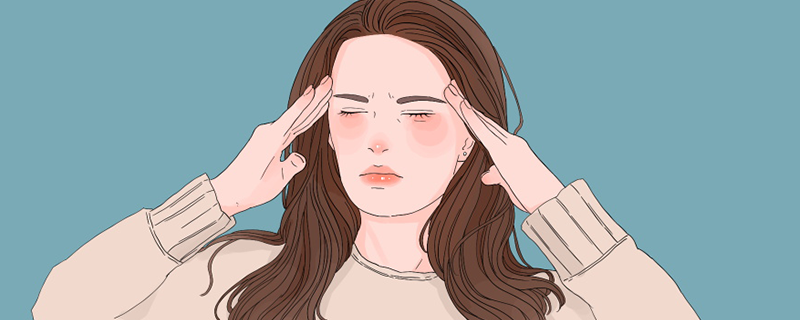
What Is Seasonal Depression?
Seasonal depression is characterized by recurrent episodes of depressive disorder that follow a seasonal pattern. Individuals with seasonal depressive disorder are more sensitive than the general population to seasonal environmental changes, commonly experiencing depressive episodes during autumn and winter, with spontaneous remission occurring in the following spring and summer. The winter-type SAD is far more prevalent than the summer-type, and its onset is often associated with reduced daylight hours during winter; symptoms typically improve as daylight duration increases seasonally.
Compared with non-seasonal depression, individuals with seasonal depressive disorder tend to exhibit milder cognitive impairment, resulting in less frequent psychological or pharmacological intervention. Some research findings indicate that many patients with seasonal depressive disorder display atypical features—for example, increased appetite and weight gain, as well as hypersomnia.
Knowledge Extension: Symptoms of Depression
Seasonal depression is a subtype of major depressive disorder, recurring annually at approximately the same time—usually emerging in late autumn or early winter and resolving by late spring or early summer. According to mental health professionals, its clinical presentation mirrors that of non-seasonal depression: patients commonly experience low mood, sadness, anxiety, irritability, fatigue, excessive sleepiness (hypersomnia), and social withdrawal.
Seasonal depression is also referred to as seasonal affective disorder (SAD); it is not merely “winter depression” or “cabin fever.” Patients with SAD generally have higher-than-normal levels of melatonin, which may adversely affect mood regulation. Additionally, women are diagnosed with SAD more frequently than men. The precise etiology remains unclear.
Individuals with seasonal depression typically lose interest in activities they previously enjoyed, markedly reduce social engagement, and experience difficulty concentrating. A hallmark symptom is hypersomnia, accompanied by pronounced cravings for carbohydrates, increased appetite, and consequent weight gain. Traditional Chinese medicine (TCM) offers effective therapeutic options for SAD; treatment regimens are individualized according to each patient’s specific clinical presentation.
The above provides an overview of what seasonal depression is. We hope this information proves helpful to you.





