


Will menstruation occur if the fertilized egg fails to implant?
Apr 24, 2022
Source: Cainiu Health
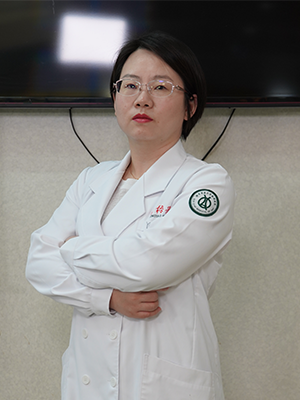
Dr. Yang Qiong
Introduction
The fertilized egg fails to implant. Menstruation typically occurs in such cases. Normal sperm and egg have successfully fused; however, if implantation does not occur, pregnancy will not result. In the absence of pregnancy, menstruation ensues. The fertilized egg itself may be poorly developed and is likely to undergo spontaneous abortion within the fallopian tube, thereby preventing its entry into the uterine cavity. Additionally, conditions such as fallopian tube obstruction, narrowing, or inflammation can also impede its smooth passage into the uterine cavity.
Some married women who are trying to conceive often wonder whether menstruation will still occur if the fertilized egg fails to implant—and whether, in fact, menstruation does occur when implantation does not take place.
Will menstruation occur if the fertilized egg fails to implant?
If the fertilized egg fails to implant, menstruation typically occurs. When healthy sperm and a mature egg successfully unite but subsequent implantation does not occur, pregnancy does not result. In the absence of pregnancy, the uterine lining sheds as normal menstrual bleeding. If the fertilized egg itself is developmentally abnormal, it may undergo spontaneous abortion within the fallopian tube, thereby preventing entry into the uterine cavity. Similarly, conditions such as tubal obstruction, narrowing, or inflammation can impede the embryo’s passage into the uterus. Even if the embryo reaches the uterine cavity, an unfavorable intrauterine environment—such as inadequate endometrial receptivity—may prevent successful implantation. If a gestational sac remains undetected within the uterus over time while serum human chorionic gonadotropin (hCG) levels continue to rise, ectopic pregnancy must be strongly suspected, and close clinical follow-up with repeat testing is essential.

Embryo implantation is a relatively complex physiological process requiring optimal fertility conditions from both partners. Pay close attention during the implantation window—the period when the endometrium is most receptive. Avoid taking medications indiscriminately, as inappropriate drug use during this critical phase may increase the risk of fetal malformations. Should any discomfort arise during implantation, promptly consult a healthcare provider for evaluation and diagnosis. Refrain from lifting heavy objects or engaging in vigorous physical activity during this time; minimize household chores and unnecessary outings to avoid fatigue.

Adopting healthy lifestyle habits is crucial: avoid frequent late-night sleeping and ensure adequate, restorative sleep. Maintain a light, easily digestible diet; limit intake of greasy or spicy, irritating foods. Emphasize consumption of fresh fruits and vegetables rich in vitamins. We hope this information proves helpful to you.



