


What should I do if my baby’s stool contains blood streaks?
Apr 25, 2022
Source: Cainiu Health

Dr. Ma Yan
Introduction
If your child exhibits these symptoms, it is advisable to take them to the hospital for evaluation to determine the underlying cause and initiate appropriate treatment.
- If the issue is constipation, adjust the child’s diet and encourage increased fluid intake.
- If intestinal obstruction is suspected, discontinue breastfeeding or formula feeding immediately; severe cases may require surgical intervention.
- When blood appears in the infant’s stool, carefully observe the characteristics of the stool.
- Consuming more fruits can help alleviate dry stools.
If an infant passes stool containing blood, carefully observe the stool’s consistency and the color of the blood, and seek prompt medical evaluation and treatment at a hospital. So, what should be done if an infant’s stool contains streaks of blood?
What to Do If an Infant’s Stool Contains Blood Streaks
If your child exhibits this symptom, it is best to take them to the hospital for examination to determine the underlying cause and initiate appropriate treatment. If constipation is the cause, adjust the child’s diet and ensure adequate fluid intake. In cases of intestinal obstruction, breastfeeding or formula feeding must be temporarily discontinued; severe cases may require surgical intervention.
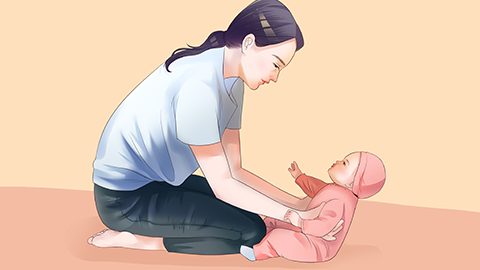
When an infant presents with bloody stools, pay close attention to the characteristics of the stool. If the stool is hard and bright red blood appears on its surface—especially after defecation—anal fissure is likely the cause. In such cases, promptly adjust the infant’s diet to soften the stool, as hard stools can lead to anal fissures and subsequent bleeding. Increase the infant’s intake of fiber-rich vegetables, such as leafy greens, spinach, celery, and garlic sprouts. Additionally, offer fruits high in water content and vitamin C—such as kiwifruit, dragon fruit, watermelon, and pears—which are gentle on the digestive system. Increased fruit consumption helps alleviate constipation.

If blood is mixed throughout the stool—not just on its surface—or appears as thick, bloody mucus intermingled with stool, consider gastrointestinal infection or enteritis. In such cases, promptly collect a stool sample and bring it to the hospital for laboratory analysis to identify the underlying cause. Once diagnosed, follow your physician’s guidance for appropriate treatment. We hope this information is helpful to you!





