


How to Alleviate Side Effects of Antidepressant Medications
May 12, 2022
Source: Cainiu Health

Dr. Li Man
Introduction
Antidepressant medications can be broadly categorized into traditional antidepressants and newer-generation antidepressants. Common early-phase adverse effects of traditional antidepressants include:
First, pronounced drowsiness or sedation;
Second, anticholinergic effects—such as dry mouth, constipation, and blurred vision—which may reflect systemic toxicity.
Depression is a relatively common mental health disorder in daily life, and if left untreated, it may significantly impair an individual’s future work performance and quality of life. So, how can one alleviate the side effects associated with antidepressant medications?
How to Alleviate Side Effects of Antidepressant Medications
Antidepressants can be broadly categorized into two groups: conventional (or older-generation) antidepressants and newer-generation antidepressants. Common side effects of conventional antidepressants typically occur during the initial phase of treatment. First, patients often experience pronounced drowsiness or excessive sleepiness. Second, anticholinergic effects may arise—such as dry mouth, constipation, and blurred vision.

These medications may also produce systemic toxicities—for instance, adverse cardiac effects such as arrhythmias. To manage these side effects, clinicians typically initiate treatment with low doses, gradually titrate upward, closely monitor patients for adverse reactions, and conduct periodic electrocardiograms (ECGs) and blood tests.
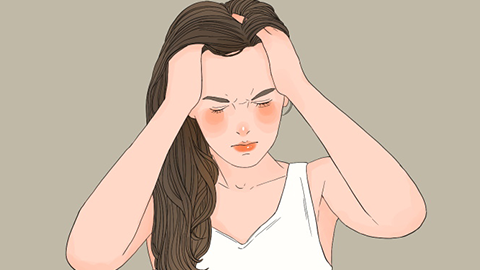
During early treatment, patients may experience gastrointestinal symptoms—including nausea, vomiting, decreased appetite, diarrhea, or constipation. Neurological side effects may also occur, such as dizziness, headache, insomnia, agitation, or restlessness. Additionally, sexual dysfunction is a well-documented adverse effect: male patients may experience erectile difficulties or delayed ejaculation, while female patients may report diminished libido. We hope this information proves helpful to you!





