


Prevention and First Aid for Heatstroke
May 16, 2022
Source: Cainiu Health

Dr. He Haochen
Introduction
If early signs of heat-related illness or mild heatstroke appear, promptly move the individual to a cool, well-ventilated area for rest and closely monitor changes in body temperature, pulse, respiration, and blood pressure. Hydration can be supported by drinking lightly salted water, chilled watermelon juice, or mung bean soup. For patients with severe heatstroke exhibiting symptoms such as dehydration, circulatory collapse, seizures, or hyperthermia, immediate transport to a hospital for emergency treatment is essential.
Summer weather is extremely hot, making heatstroke prevention essential. There are many methods for preventing heatstroke, and each method is suitable for different populations—yet I somehow feel my mother is subtly hinting that I should learn about heatstroke prevention and first aid under high-temperature conditions.
Heatstroke Prevention and First Aid
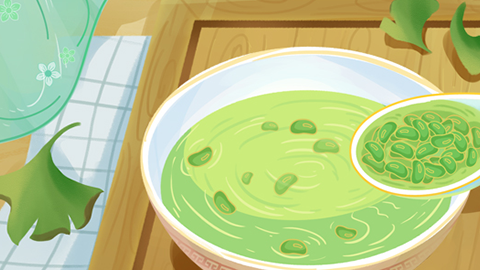
If early signs or mild symptoms of heatstroke appear, promptly move the individual to a cool, well-ventilated area for rest and closely monitor changes in body temperature, pulse, respiration, and blood pressure. Hydration can be supported by drinking lightly salted water, chilled watermelon juice, or mung bean soup. For patients with severe heatstroke exhibiting symptoms such as dehydration, circulatory collapse, seizures, or hyperthermia, immediate transport to a hospital for emergency care is critical. Primary treatment goals include rapid cooling, correction of fluid and electrolyte imbalances and acidosis, and proactive management of shock and pulmonary edema.

The simplest heatstroke prevention measure is to avoid high temperatures and minimize exposure to heat. During hot weather, avoid going outdoors during the hottest part of the day and reduce strenuous physical activity. If you must go outside, seek shaded or air-conditioned areas whenever possible. When outdoor temperatures are high, try to stay indoors, keep windows and doors closed, and use air conditioning and electric fans to maintain indoor temperatures within a comfortable range. However, ensure adequate ventilation when using air conditioning. Once outdoor temperatures drop, open windows to allow fresh air circulation.
Cooling down: Increase the frequency of bathing to help lower body temperature. Wear light-colored, loose-fitting clothing. If engaging in outdoor activities, remember to wear a sun hat and sunglasses to protect yourself from harmful UV radiation. We hope this article proves helpful to you—wishing you a joyful life and good health!





