


What Are the Symptoms of Bipolar Disorder?
May 19, 2022
Source: Cainiu Health

Dr. Pan Yongyuan
Introduction
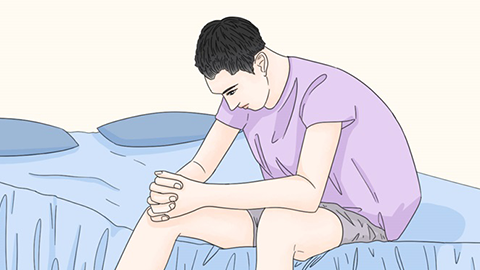
Depression is primarily characterized by low mood, anhedonia (loss of pleasure), diminished interest in activities, pessimism, feelings of hopelessness or worthlessness, low self-esteem, excessive self-blame, guilt, psychomotor retardation, mental slowing, easy fatigability, and impaired concentration. Some patients may also experience agitation, decreased appetite, sleep disturbances—including insomnia and early-morning awakening—and persistent low mood.
Some individuals, under prolonged high work pressure and excessive psychological tension, may develop symptoms of bipolar disorder (formerly known as manic-depressive illness). Early intervention and proper management are essential to prevent significant disruption to daily life. So, what are the characteristic manifestations of bipolar disorder?
Manifestations of Bipolar Disorder
Depression is primarily characterized by persistent low mood, anhedonia (loss of pleasure), diminished interest or motivation in activities, pessimism, feelings of hopelessness or worthlessness, excessive self-blame or guilt, slowed thinking (psychomotor retardation), and impaired concentration. Some patients exhibit psychomotor slowing, easy fatigability, reduced appetite, sleep disturbances—including insomnia, early-morning awakening—and diurnal variation in mood—such as worst mood in the morning, gradually improving through the day, and relatively better mood in the evening.

In contrast, mania presents with elevated, expansive, or irritable mood; inflated self-esteem or grandiosity; decreased need for sleep; increased talkativeness; racing thoughts; distractibility; increased goal-directed activity (e.g., socially, at work, or sexually); and excessive involvement in pleasurable but potentially risky activities (e.g., unrestrained spending, reckless driving, or hypersexuality). Patients may display impulsive, poorly planned behavior, poor judgment, and flight of ideas. In more severe cases, delusions of grandeur (e.g., beliefs of omnipotence), unrealistic plans, imprudent financial investments, and sleep disturbances such as insomnia or early-morning awakening may occur.
Individuals prone to emotional instability or agitation benefit greatly from a harmonious, structured, and calm home environment. Efforts should be made to maintain household quietness, minimize guest visits, and reduce social gatherings or large meals. Cool-toned colors—such as blue or green—are recommended for living areas, and room decor should be simple and uncluttered. We hope this information proves helpful!





