


Adverse Reactions to Hepatitis B Vaccination in Infants
May 24, 2022
Source: Cainiu Health

Dr. Jiang Weimin
Introduction
Local reactions: After hepatitis B vaccination, local symptoms such as redness, swelling, and pain at the injection site may occur. No specific treatment is required, and these symptoms typically resolve within 2–3 days.
Gastrointestinal reactions: Gastrointestinal symptoms—including nausea, vomiting, diarrhea, and abdominal distension—may occur following hepatitis B vaccination. However, these adverse reactions are generally mild and gradually subside within 1–3 days. It is recommended to pay attention to diet; eating smaller, more frequent meals may help alleviate symptoms.
China has a high prevalence of hepatitis B, so many infants receive the hepatitis B vaccine shortly after birth. However, some babies may experience adverse reactions following vaccination. What are the potential adverse reactions in infants after receiving the hepatitis B vaccine?
Adverse Reactions to the Hepatitis B Vaccine in Infants
Local reactions: After hepatitis B vaccination, infants may experience local symptoms such as redness, swelling, and pain at the injection site. These typically require no specific treatment and resolve spontaneously within 2–3 days.
Gastrointestinal reactions: Some infants may develop gastrointestinal symptoms after vaccination, including nausea, vomiting, diarrhea, and abdominal distension. These reactions are generally mild and gradually subside within 1–3 days. Dietary adjustments—such as eating smaller, more frequent meals—may help alleviate these symptoms.
Fever: Although fever is rare following hepatitis B vaccination, close monitoring of body temperature is recommended. If fever occurs, appropriate management should be initiated promptly; medical consultation is advised if necessary.

The hepatitis B vaccine for children effectively prevents hepatitis B infection. A complete vaccination schedule consists of three doses administered at birth (within 24 hours), 1 month, and 6 months of age. Three to six months after completing the series, a blood sample can be collected to test for the presence of anti-HBV antibodies. A positive antibody test indicates successful immunization and protection against hepatitis B virus infection. Conversely, a negative result suggests vaccine failure.
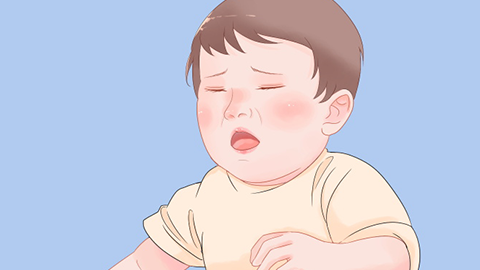
Infants should be in optimal health at the time of hepatitis B vaccination. Vaccination should be deferred if the infant has a cold, fever, other viral infections, or hepatic or biliary disease, to minimize the risk of adverse reactions. We hope this information is helpful!






