


How is follicular pharyngitis treated?
May 25, 2022
Source: Cainiu Health

Dr. Guo Xiheng
Introduction
For the treatment of follicular pharyngitis, patients should adjust their diet and daily routines—opting for light, bland foods; avoiding late-night activities; and abstaining from alcohol. In cases of severe symptoms, oral traditional Chinese patent medicines may be used to alleviate symptoms. Commonly prescribed agents in clinical practice include Pudilan Xiaoyan Oral Liquid, Ganju Bingmei Tablets, Jinsihou Yin Capsules, or Jinsihou Yan Pills; patients may select one based on individual needs.
If pharyngitis is not treated promptly, it can lead to numerous complications—particularly lymphoid follicular hyperplasia—which increases the difficulty of treatment. So, how is follicular pharyngitis treated?
How Is Follicular Pharyngitis Treated?
Treatment for follicular pharyngitis requires patients to adjust their diet and daily routines: consume light, non-irritating foods; avoid staying up late; and abstain from alcohol. For patients with severe symptoms, oral traditional Chinese patent medicines may be used to alleviate symptoms. Commonly prescribed medications in clinical practice include Pudilan Anti-inflammatory Oral Liquid, Ganju Bingmei Tablets, Jinsihou Yin Capsules, or Jinsihou Yan Pills—patients may select one based on individual needs. These medications are widely used in clinical settings.
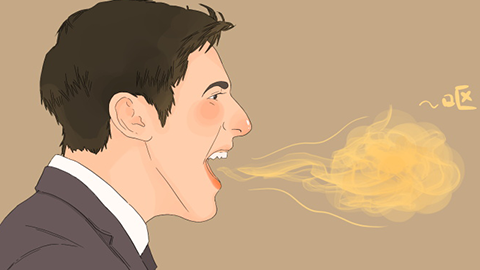
Surgical treatment primarily employs low-temperature plasma technology to ablate lymphoid follicles on the posterior pharyngeal wall, thereby eliminating hyperplastic follicles. This typically results in significant improvement of the foreign-body sensation in the throat. However, patients may experience a transient worsening of this sensation postoperatively, and temporary xerostomia (dry mouth) may occur. Generally, symptoms begin to improve within approximately two weeks.
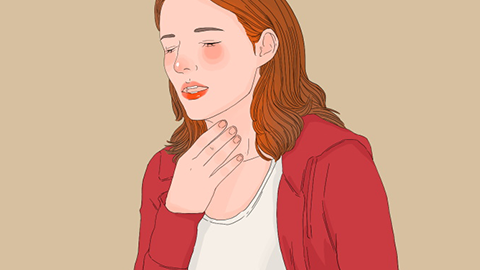
Follicular pharyngitis is a common complication; patients need not worry excessively. With timely medical consultation and active cooperation with physicians, recovery is expected to be swift. Patients should maintain dietary and lifestyle adjustments—opting for bland foods, avoiding late-night activity, and refraining from alcohol consumption. We hope this information proves helpful!




