


What Causes Red Veins on the Cheeks?
May 26, 2022
Source: Cainiu Health

Dr. Liu Wan
Introduction
Treating facial redness requires first identifying its underlying cause. For instance, some individuals may have exceptionally thin skin. In such cases, frequent application of moisturizers helps protect the skin barrier function, minimize external irritation, and prevent further dilation of capillaries. Photorejuvenation treatments—such as intense pulsed light (IPL) or ruby laser therapy—can effectively reduce redness. Alternatively, laser therapy may be used.
Some individuals experience pronounced facial redness due to visible dilated blood vessels, which adversely affects facial appearance. So, what causes facial telangiectasia (visible red blood vessels on the cheeks)?
What Causes Facial Telangiectasia?
Facial telangiectasia is often associated with corticosteroid-dependent dermatitis, characterized by persistent erythema (redness) on the cheeks, dilated capillaries, papules, pustules, scaling or desquamation of the stratum corneum, a sensation of stinging or burning, and pruritus (itching). This condition commonly arises from prolonged topical use of glucocorticoid preparations, as well as cosmetics or masks containing corticosteroids. Patients with facial allergies sometimes self-medicate by purchasing over-the-counter antihistamines or anti-itch medications at pharmacies. Unfortunately, many such products contain added corticosteroids, and low-quality cosmetics frequently include undisclosed steroid ingredients.
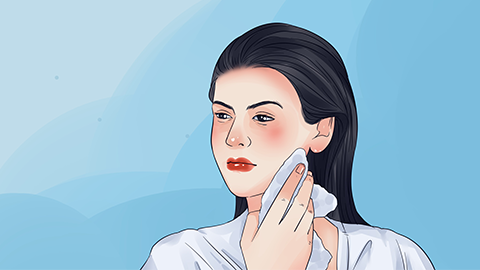
Effective treatment of facial telangiectasia begins with identifying its underlying cause. For instance, some individuals naturally have very thin skin; in such cases, regular application of moisturizers helps reinforce the skin barrier, minimize external irritation, and prevent further capillary dilation. Photorejuvenation treatments—including intense pulsed light (IPL), pulsed dye laser (PDL), or ruby laser—can effectively reduce visible redness and target dilated vessels. Alternatively, other laser modalities may be used. When telangiectasia results from corticosteroid-dependent dermatitis—or other inflammatory dermatoses—long-term use of steroid-containing ointments and skincare products can lead to cutaneous atrophy and progressive capillary dilation. In such cases, halting further damage is essential, yet reversal may prove challenging. Additionally, capillary dilation may stem from other conditions—for example, rhinophyma or rosacea. Initial management typically involves pharmacological therapy to resolve inflammation; once inflammation subsides, laser treatment can be employed to address residual dilated vessels.
If you notice persistent facial redness or visible blood vessels, consult a dermatologist promptly. We hope this information proves helpful. Wishing you optimal health and happiness!






