


What should I do if I have a pulmonary perforation?
May 30, 2022
Source: Cainiu Health

Dr. Guo Xiheng
Introduction
Pulmonary perforation, also known as pulmonary rupture, can clinically lead to severe pneumothorax. Treatment primarily targets the management of pneumothorax. Options include closed thoracic drainage to evacuate intrapleural air or surgical repair and adjustment of the pleura, which falls within the scope of thoracic surgery. For pulmonary perforation, antibiotics and immunomodulatory agents may help improve the clinical condition.
The lungs play a vital role in the human body, and healthy lungs ensure smooth respiratory function. However, some patients may develop pulmonary perforation. So, what should be done in case of pulmonary perforation?
What to Do for Pulmonary Perforation
Pulmonary perforation—also termed pulmonary rupture—can clinically lead to severe pneumothorax. Treatment primarily targets the management of pneumothorax. Options include closed thoracic drainage to evacuate accumulated air from the pleural cavity or surgical repair of the pleura, which falls under the domain of thoracic surgery. Additionally, antibiotics and immunomodulatory agents may be administered to help improve the patient’s condition. Patients should rest adequately, remain supine, minimize physical activity, and thereby reduce pulmonary functional demand.
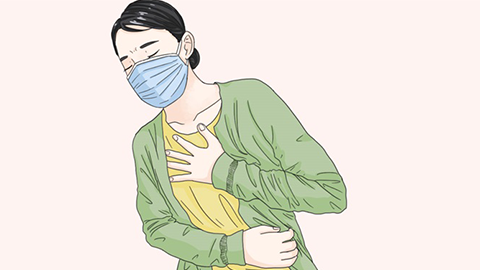
Pulmonary perforation is commonly referred to as alveolar rupture, typically resulting from damage to alveoli or other pulmonary tissues, allowing air to leak into the pleural cavity. Common symptoms include chest pain and dyspnea. Prompt medical evaluation—including chest CT and X-ray—is strongly recommended to establish an accurate diagnosis and avoid misdiagnosis.

Most cases of pulmonary perforation occur abruptly. When air enters the pleural cavity and accumulates, patients often experience sudden, transient, unilateral chest pain—frequently described as sharp or stabbing. This is followed by symptoms such as chest tightness, paroxysmal dry cough, and cold sweats. If pulmonary function is severely compromised, additional manifestations may include dyspnea, cyanosis of the lips, altered mental status, and, in extreme cases, life-threatening complications. We hope this information proves helpful!




