


What Are the Symptoms of Spleen-Kidney Yang Deficiency?
Aug 03, 2022
Source: Cainiu Health

Dr. He Haochen
Introduction
Symptoms of Spleen-Kidney Yang Deficiency primarily include mental fatigue, low mood, diminished vitality, and general fatigue. Additionally, patients may experience chills, cold extremities, a sensation of heaviness in the body, soreness and pain in the lower back and knees, and back pain. Male patients may also suffer from sexual dysfunction, erectile dysfunction, premature ejaculation, and prostatitis. Female patients with Spleen-Kidney Yang Deficiency may exhibit decreased libido, uterine coldness leading to infertility, and thin, watery vaginal discharge.
Kidney Yang deficiency syndrome is a common condition in modern society, typically resulting from excessive psychological and occupational stress, as well as imbalance between Yin and Yang in the body. If left untreated, Kidney Yang deficiency can cause significant harm to health; therefore, timely intervention is essential upon symptom onset. So, what are the symptoms of Spleen-Kidney Yang deficiency?
What Are the Symptoms of Spleen-Kidney Yang Deficiency?
The primary symptoms of Spleen-Kidney Yang deficiency include mental fatigue, low mood, diminished vitality, and persistent tiredness. Additional manifestations may include chills, cold extremities, a sensation of heaviness in the body, soreness and weakness in the lower back and knees, and back pain. Male patients may experience sexual dysfunction, erectile dysfunction, premature ejaculation, and prostatitis. Female patients may present with decreased libido, “cold uterus” (a TCM term indicating deficient uterine Yang), infertility, and thin, watery leukorrhea. Furthermore, individuals with Spleen-Kidney Yang deficiency often exhibit clear, copious, and prolonged urination; dribbling after urination; nocturia—either reduced frequency or increased frequency at night—as well as hearing loss and tinnitus. Other possible symptoms include impaired memory, excessive drowsiness, frequent dreaming, low back pain, and joint pain.
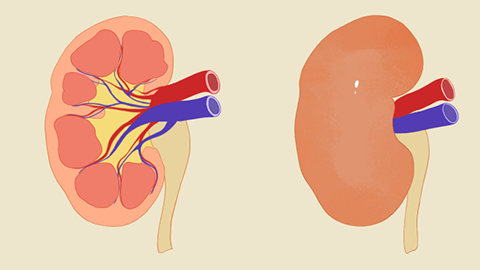
Spleen-Kidney Yang deficiency commonly causes weakness and soreness in the lower back and knees. In males, it may lead to diminished sexual function, erectile dysfunction, and premature ejaculation. In females, it may result in infertility, “cold uterus,” menstrual irregularities, and dysmenorrhea. Since this pattern also involves Spleen Yang deficiency, impaired Spleen and Stomach function may produce abdominal pain and diarrhea. Spleen-Kidney Yang deficiency may further cause general energy depletion, tinnitus, or hearing loss. It may also contribute to early-onset balding, poor concentration, and depression. Additional characteristic symptoms include aversion to cold, cold limbs, preference for warmth, and generalized chilliness.
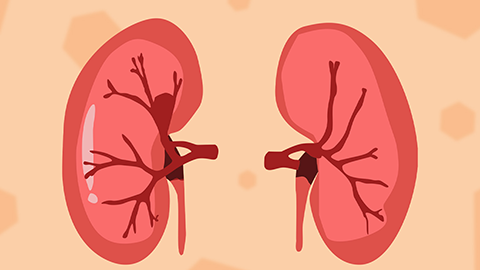
Patients are advised to cultivate healthy lifestyle habits and maintain a balanced diet, avoiding spicy and stimulating foods. We hope this information is helpful to you.





