


What Foods Should Be Avoided with Angina Pectoris?
Aug 04, 2022
Source: Cainiu Health

Dr. Li Man
Introduction
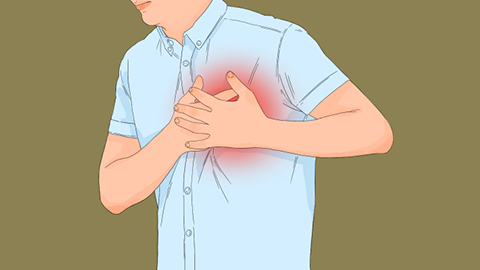
Patients with angina pectoris should avoid foods high in oil, salt, fat, and cholesterol—such as fried or grilled foods and animal offal—and should also refrain from smoking, drinking alcohol, consuming strong tea, coffee, and other stimulants. Angina pectoris is caused by coronary heart disease (also known as coronary atherosclerotic heart disease), which results from narrowing of the coronary artery lumen, leading to symptoms of chest tightness, pressure, and constricting or squeezing pain in the sternum and back.
Many people around us suffer considerable discomfort due to angina pectoris. It is essential to recognize this condition early and pursue appropriate diagnostic evaluation. To prevent disease progression, individuals must also observe certain dietary restrictions. So, what foods should be avoided by patients with angina?
What Foods Should Be Avoided in Angina?
Patients with angina should avoid foods high in oil, salt, fat, and cholesterol—such as fried or grilled items and organ meats—and should also abstain from smoking, alcohol, strong tea, coffee, and other stimulants. Angina is primarily caused by coronary artery disease (CAD), also known as coronary atherosclerotic heart disease, resulting from narrowing of the coronary artery lumen. This leads to symptoms such as constricting, pressing, or squeezing chest and back pain. Upon experiencing such symptoms, patients should promptly seek medical attention for comprehensive auxiliary examinations to determine the underlying cause of angina and initiate timely treatment to alleviate symptoms.
Patients with angina need to make rational adjustments to their diet: control total caloric intake and maintain a healthy body weight. Overweight or obese individuals should further reduce daily caloric intake, consume low-fat and low-cholesterol foods, ensure that fat intake does not exceed 30% of total calories (with animal fats limited to no more than 10%), and restrict alcohol and sugar-rich foods. A light, balanced diet is recommended, emphasizing foods rich in vitamin C and plant-based proteins—such as fresh vegetables, melons and gourds, fruits, and legumes. Use vegetable oils (e.g., peanut, soybean, or rapeseed oil) instead of animal fats. Include fish, poultry, lean meats, protein-rich foods, and soy products regularly. Avoid overeating or binge eating, which may trigger angina or even myocardial infarction.
When angina symptoms occur, prompt medical evaluation and treatment are crucial to prevent worsening of the condition. We hope this information proves helpful to you.




