Is sigmoidocolitis (inflammation of the sigmoid colon and rectum) serious?
Aug 09, 2022
Source: Cainiu Health

Dr. Zhao Haiming
Introduction
The severity of sigmoidocolitis and proctitis depends on the specific type. In cases of simple inflammation involving the sigmoid colon and rectum, patients may experience symptoms such as increased bowel movements, a sensation of abdominal heaviness (or “bearing-down”), and persistent, urgent defecation following intestinal congestion and edema. Abdominal pain is typically mild or absent. Treatment should be guided by the underlying cause and clinical presentation, with appropriate medications selected under a physician’s supervision.
People consume food three times daily, which must be transported through the intestines for nutrient absorption. If dysfunction occurs at any point along the intestinal tract, disease may develop. The sigmoid colon is one such site. So, how serious is proctosigmoiditis?
How serious is proctosigmoiditis?
The severity of proctosigmoiditis depends on its specific type. In cases of simple inflammation affecting both the sigmoid colon and rectum, patients may experience symptoms such as increased bowel movements, a sensation of abdominal heaviness or “sagging,” and persistent, urgent defecation following intestinal congestion and edema. Abdominal pain is typically mild and not severe. Treatment should be guided by the underlying cause and clinical presentation, with appropriate medications prescribed by a physician. Additional supportive measures include frequent warm abdominal compresses, maintaining abdominal warmth, consuming easily digestible foods, and avoiding spicy or irritating foods.
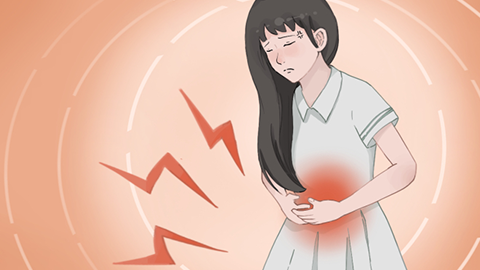
However, if chronic loose stools persist—accompanied by urgency, tenesmus, purulent or bloody stools, anemia, and unintentional weight loss—the condition is more serious and may indicate ulcerative proctitis or ulcerative colitis. Treatment may involve salicylate preparations, immunomodulators, and symptomatic management. Medication dosage adjustments and decisions regarding discontinuation should be based on clinical symptom improvement and endoscopic assessment of mucosal healing—not on arbitrary or self-directed cessation.
Dietary management should emphasize light, bland meals; cold and greasy foods should be avoided. We hope this information is helpful to you.