


How to Relieve Toothache During Menstruation
Aug 24, 2022
Source: Cainiu Health

Dr. Zhang Liwen
Introduction
To alleviate toothache during menstruation, it is advisable to first visit a reputable hospital for relevant examinations to identify the specific cause of the dental pain, followed by targeted treatment. The management of menstrual-related toothache is generally the same as standard dental treatment—for instance, in cases of pulpitis or apical periodontitis, root canal therapy involving removal of the dental pulp may be performed. Such treatments are not contraindicated during menstruation. However, if the pain is caused by pericoronitis around a wisdom tooth, specific management for this condition would be required.
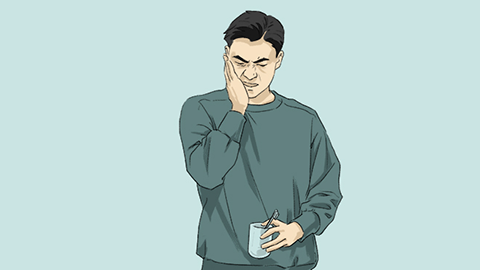
Many women experience severe pain during their menstrual period. Each episode of pain can make life feel worse than death. While some may resort to medications for pain relief, drugs cannot resolve all types of pain. Therefore, it is crucial to understand and apply other effective strategies. So, how can one alleviate toothache during menstruation?
How to Alleviate Toothache During Menstruation
To relieve toothache during menstruation, women should first visit a reputable hospital for a thorough dental examination to identify the precise cause of the pain, followed by targeted treatment. Treatment for menstrual-related toothache generally follows standard protocols—for example, in cases of pulpitis or apical periodontitis, root canal therapy (including removal of the dental pulp) may be performed. Such treatments are safe and unaffected by the menstrual cycle. If the pain stems from pericoronitis around an impacted wisdom tooth, local irrigation and topical medication can effectively provide relief. However, patients should note that menstruation is a unique physiological phase for women, and invasive surgical procedures are generally not recommended during this time.

Firstly, elevated estrogen levels during menstruation may stimulate certain receptors in gingival tissue, leading to vasodilation in the dental pulp and periodontal ligament, increased peri-dental congestion, and compression of nerve endings. This condition typically resolves spontaneously after menstruation ends and does not require specific treatment. Secondly, reduced immunity and inadequate oral hygiene during menstruation may predispose individuals to bacterial infection and dental inflammation, resulting in pain. Lastly, toothache may also originate from unrelated dental conditions such as dental caries, erupting wisdom teeth, or periodontitis.
We recommend that patients undergo thorough debridement of infected material within the root canal to resolve the toothache. We hope this information proves helpful.



